Category

AI News & Trends

1402 articles • Page 28 of 94

US Immigration Slows AI Talent Flow, Threatens Lab R&D

US Immigration Slows AI Talent Flow, Threatens Lab R&D

US labs like Anthropic and OpenAI rely on global researchers, but stricter US visa rules and security checks may be slowing international hiring. Data suggest H-1B approval rates have dropped sharply and fewer AI experts are moving to the US. These changes might cause longer job vacancies, delays in projects, and higher costs for companies. Some firms appear to be considering opening labs in other countries to keep working with top talent. The future of hiring international AI experts in the US remains uncertain as policies and security rules keep changing.


AI Transforms Email Marketing: $76K Revenue From One Message

AI Transforms Email Marketing: $76K Revenue From One Message

AI may be changing email marketing by making messages more personal and adaptive, rather than just scheduled blasts. Recent reports suggest that tools now use live data to decide what content to send, when to send it, and to whom, which might increase engagement and revenue. Some case studies claim that AI-personalized emails have led to more opens, clicks, and higher sales, but these results are self-reported and may not apply to everyone. Experts suggest that the biggest benefits come when AI is used across several parts of the email process, not just for writing. Looking forward, research suggests email systems could become even smarter, making more decisions automatically, but transparency about these choices appears to be increasingly important.

DeepSeek raises $7.4B, hits $50B valuation for open-source AI

DeepSeek raises $7.4B, hits $50B valuation for open-source AI

DeepSeek has raised more than $7.4 billion at a valuation that may be over $50 billion, which could be the largest first-time funding for a Chinese AI startup. The company focuses on open-source AI models and lets users download its model weights, which appears to set it apart from many Western companies. Major investors include Tencent and government-linked funds, and most put money into a partnership controlled by DeepSeek's founder, with restricted rights for investors. Analysts suggest this structure may help align strategy and keep control with technical leaders. The funding might make DeepSeek the most valuable AI startup in China and could signal a shift toward open models in the country.

Path of Exile 2: $300M+ Steam Estimate Lacks Official Confirmation

Path of Exile 2: $300M+ Steam Estimate Lacks Official Confirmation

The claim that Path of Exile 2 has made over $300 million on Steam comes from community estimates and is not officially confirmed by the game studio. Grinding Gear Games has not shared specific revenue numbers for the sequel, and their last public report includes all games in the series, not just Path of Exile 2. Revenue predictions often mix older game earnings with guesses about the new one, which may not be accurate. The company appears to rely on big updates and Twitch events to boost interest and sales, but real numbers for Path of Exile 2 remain uncertain. Analysts suggest people should focus on proven data like player peaks and company-wide revenue instead of unconfirmed figures.

LLM Cost Optimization Tools See 26% CAGR, Enterprises Target Savings

LLM Cost Optimization Tools See 26% CAGR, Enterprises Target Savings

The market for LLM cost optimization tools may grow at about 26 percent each year between 2026 and 2034, with enterprises making up most of the purchases. This suggests companies want more than simple reports; they seek real-time controls and tools that cut AI costs before charges happen. Demand appears to be rising because cloud use and new pricing models make AI costs hard to predict. Best tools often include features like batching, caching, predictive analytics, and usage limits. There are early signs that automated tools may soon be able to manage spending and enforce budgets without human help.

Meta ties AI token usage to performance reviews, sparking 'tokenmaxxing'

Meta ties AI token usage to performance reviews, sparking 'tokenmaxxing'

Meta is tying how much employees use AI tokens to their performance reviews, which appears to be changing how people work there. Some workers began using more tokens to get noticed in company dashboards, a practice called 'tokenmaxxing.' Meta responded by introducing tools to watch token use, setting budgets, and saying there may be team limits by 2027. Employees may have felt mixed signals, as using more tokens was praised before but is now being watched more closely. In the future, Meta suggests it will focus on the results from using AI, not just how many tokens are used, and may adjust costs based on when tokens are used.

AI model labs expand into products, enterprise tools, and security software

AI model labs expand into products, enterprise tools, and security software

AI model labs are shifting from just offering models to also creating products, enterprise tools, and security software. Analysts say this change may be driven by falling prices and the need to stand out, as well as new rules like the EU AI Act. Companies such as OpenAI and Anthropic now offer both APIs and full platforms, which can blur the line between model providers and application platforms. For customers, this means choosing between platforms often depends on the whole ecosystem, not just model quality, and may lead to new kinds of lock-in. Security features are now being built directly into AI platforms, which might help customers but could limit opportunities for specialist security vendors.

Enterprises Curb AI Costs, Shift to 'Tokenminimizing'

Enterprises Curb AI Costs, Shift to 'Tokenminimizing'

Enterprises are starting to limit how much AI their employees can use, because costs and risks are rising. Some big companies, like Meta and Microsoft, now ask workers to be careful with AI usage, and firms like Walmart and Amazon have put new limits in place. Experts suggest this shift may be due to the difficulty in predicting AI costs, as spending varies with how many tokens are used. Companies are now tracking AI usage closely and setting alerts or caps to avoid surprise bills. It appears that keeping AI costs under control might become a permanent practice if these measures keep working.

Google sues Outsider Enterprise, citing Gemini AI misuse in phishing

Google sues Outsider Enterprise, citing Gemini AI misuse in phishing

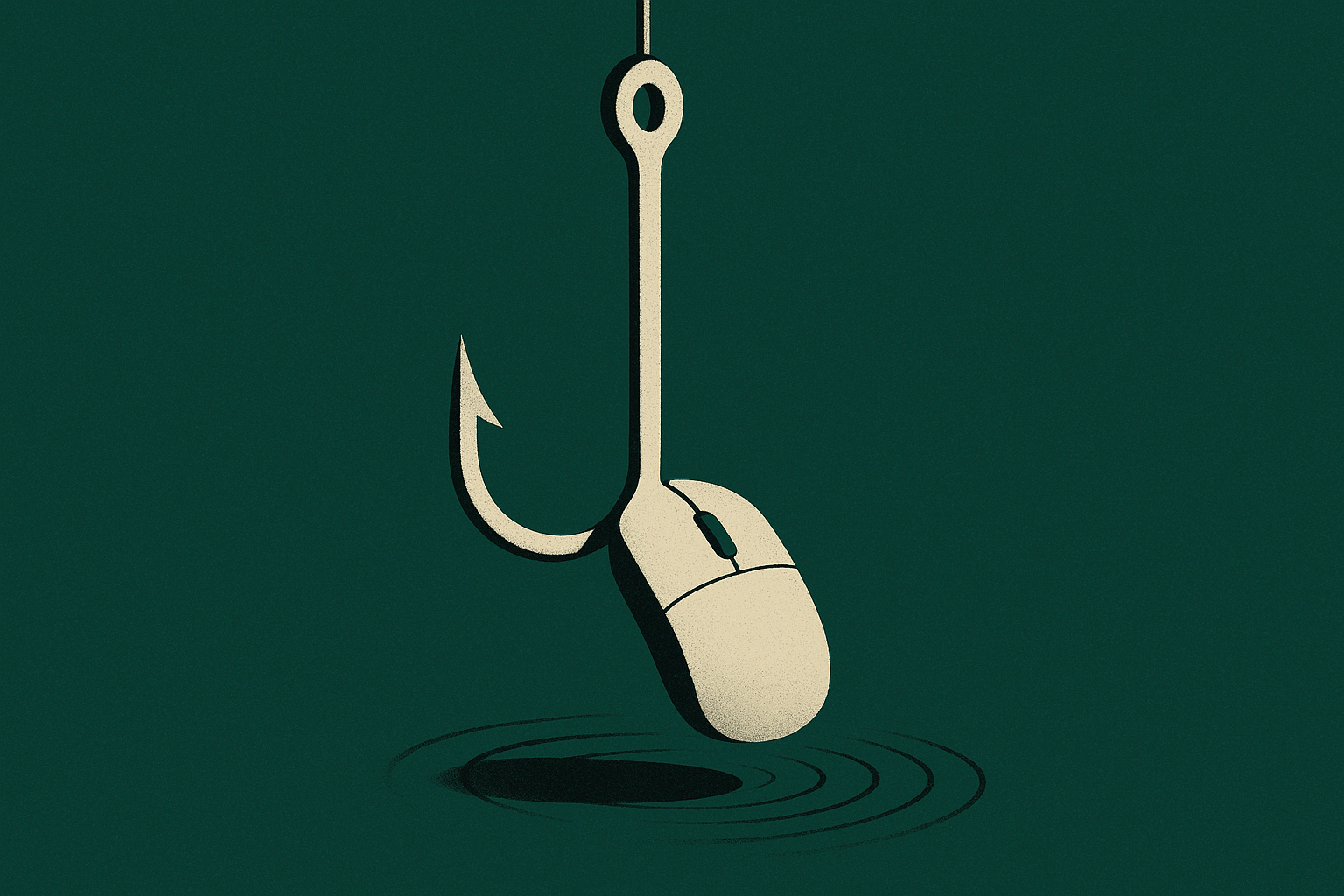
Google is suing Outsider Enterprise for allegedly using Gemini AI to help carry out a large phishing scheme that sent scam texts and fake websites to Android users. The lawsuit says Outsider Enterprise may have used Gemini to make fake websites and sold access to these tools to others through Telegram. Investigators found thousands of fake sites and millions of stolen credit card numbers, with reported losses of nearly $2 billion. Google is working with the FBI and phone companies to block these messages and says the lawsuit is one step in stopping AI-powered scams. The case may help decide how laws apply when AI is misused for cybercrime, but results are still uncertain.

Salesforce acquires Fin for $3.6 billion, boosts Agentforce AI

Salesforce acquires Fin for $3.6 billion, boosts Agentforce AI

Salesforce has agreed to buy the AI customer-service firm Fin for about $3.6 billion, which may make its Agentforce automation platform stronger. Fin reportedly helps over 30,000 companies and can resolve up to 76 percent of support tickets automatically. This deal suggests Salesforce wants to focus more on customer-service agents designed for specific tasks, and it might help businesses use autonomous agents more easily. Some analysts say this move could increase competition with other big tech companies in the AI agent market. The integration may give customers more ways to use and control AI agents within Salesforce's systems.

Google updates search algorithm to prioritize content quality in 2026

Google updates search algorithm to prioritize content quality in 2026

Google's 2026 search update appears to focus more on showing high-quality content in its results. The update may favor pages with original information, trusted authors, and good user experience. Sites with generic or repeated content reportedly lost traffic, while those with expert insight or clear trust signals saw small gains. Recovery for affected sites might take months and depends on future updates. Experts suggest that improving content depth and trust markers could help meet Google's new quality standards.

Munich Court Holds Google Liable for AI Overview Defamation

Munich Court Holds Google Liable for AI Overview Defamation

A Munich court issued a preliminary order that holds Google responsible for false statements made by its AI Overviews in search results. The court said these AI summaries seem to be Google's own statements, linking two publishers to scams and causing possible defamation. Google plans to appeal, but must follow the ruling for now unless a higher court changes it. The court's decision may influence how other EU countries handle similar cases and could lead to stricter rules on AI-generated content. This case might also mean AI companies will need to verify or label AI-generated statements to avoid misleading users.

CMOs embrace AI, but 2026 data shows slow operational integration

CMOs embrace AI, but 2026 data shows slow operational integration

The 2026 CMO Survey suggests that while most chief marketing officers believe AI is transforming marketing, only a few have made it central to their operational processes. AI now drives around a quarter of marketing activities, mainly in content creation and personalization, but only 8 percent of CMOs report having autonomous, AI-driven campaigns. Barriers like data privacy concerns, old technology, skill gaps, and measurement difficulties appear to slow wider adoption. Some case studies show clear benefits when AI is fully integrated, but many organizations still use AI mainly for small, tactical tasks. The field seems to be changing, but operational use of AI may continue to lag behind overall enthusiasm and adoption rates.

White House bans Anthropic's Claude Fable 5 over AI jailbreak fears

White House bans Anthropic's Claude Fable 5 over AI jailbreak fears

The White House has banned Anthropic's Claude Fable 5 model due to worries that its security guardrails might be bypassed, which could pose risks. According to reports, the ban stops all foreign nationals, including Anthropic's non-US staff, from accessing the model after concerns about a possible narrow jailbreak path. Anthropic says it has not seen detailed evidence and believes the risk may be minor. The company quickly shut down access to both Fable 5 and its sibling model, while officials say the ban will stay until the security concerns are resolved. Analysts suggest the case might affect future rules for advanced AI releases, depending on how Anthropic's safety measures perform.

WEF 2026 Report: Workforce Readiness, Not AI, Drives Value

WEF 2026 Report: Workforce Readiness, Not AI, Drives Value

The WEF 2026 report suggests that workforce readiness, not just AI technology, may be what helps organizations get the most value from AI. Workers now look for employers who support ongoing learning and can adapt to change, rather than promising jobs that never change. Reports show that many employees want clear information about how AI will impact their roles and value employers who offer skill development and transparent benefits. There appears to be a growing demand for flexibility, reskilling, and openness, especially among younger workers. Companies that focus on continuous learning and clear job support may be better positioned to attract and keep talent.