
Google Urges Publishers to Adopt Edge for $4 Billion Live Ad Market
Serge Bulaev
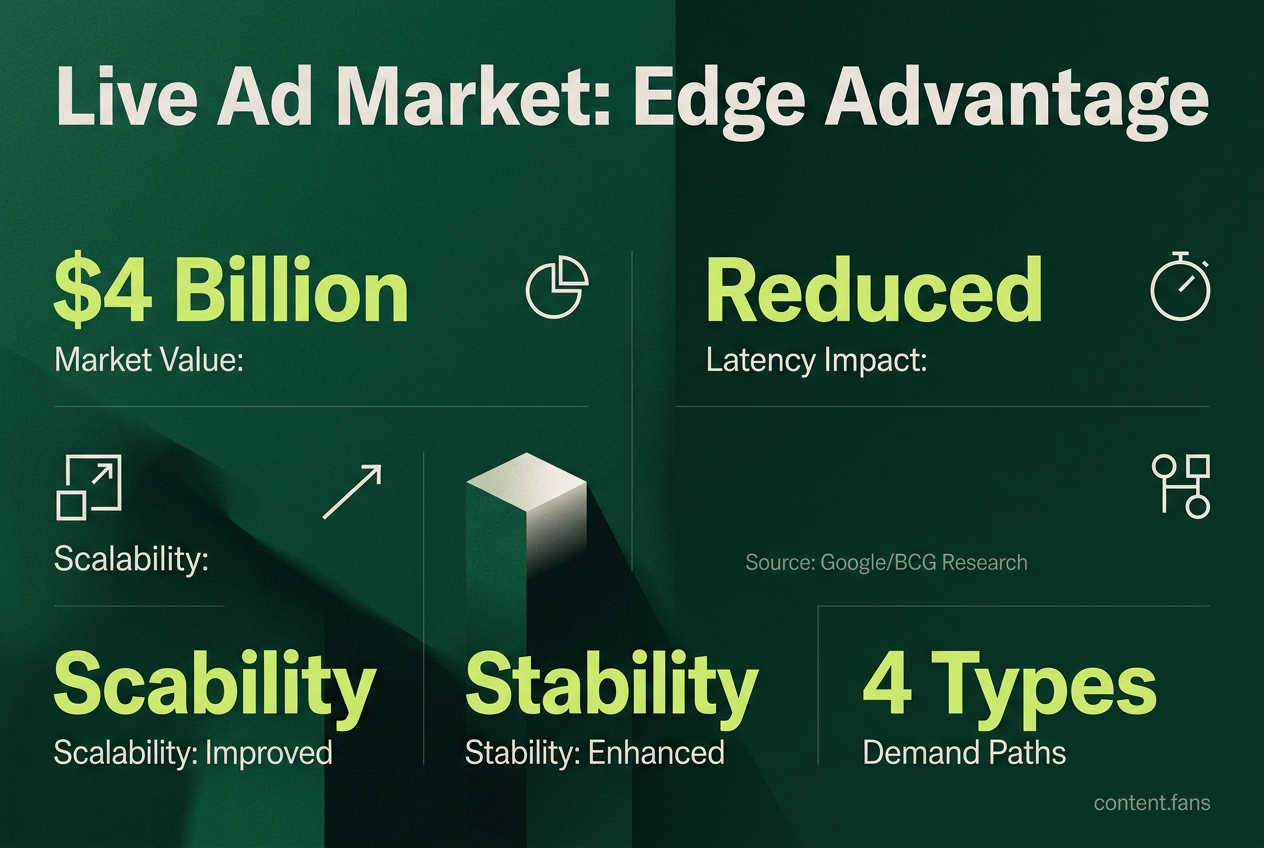
Google is urging publishers to use edge-based systems to better handle the $4 billion global live streaming ad market. Edge architecture may help serve millions of viewers at once and keep video delays very short, which could improve reliability and reduce problems like buffering. Google suggests a hybrid monetization strategy, combining different ad types for better flexibility and possibly higher revenue. Accurate forecasting of viewer numbers appears to be important for avoiding overloaded systems or missed ad opportunities. The market for connected TV ads might grow quickly in the coming years, so scaling technology may be key for publishers to succeed.
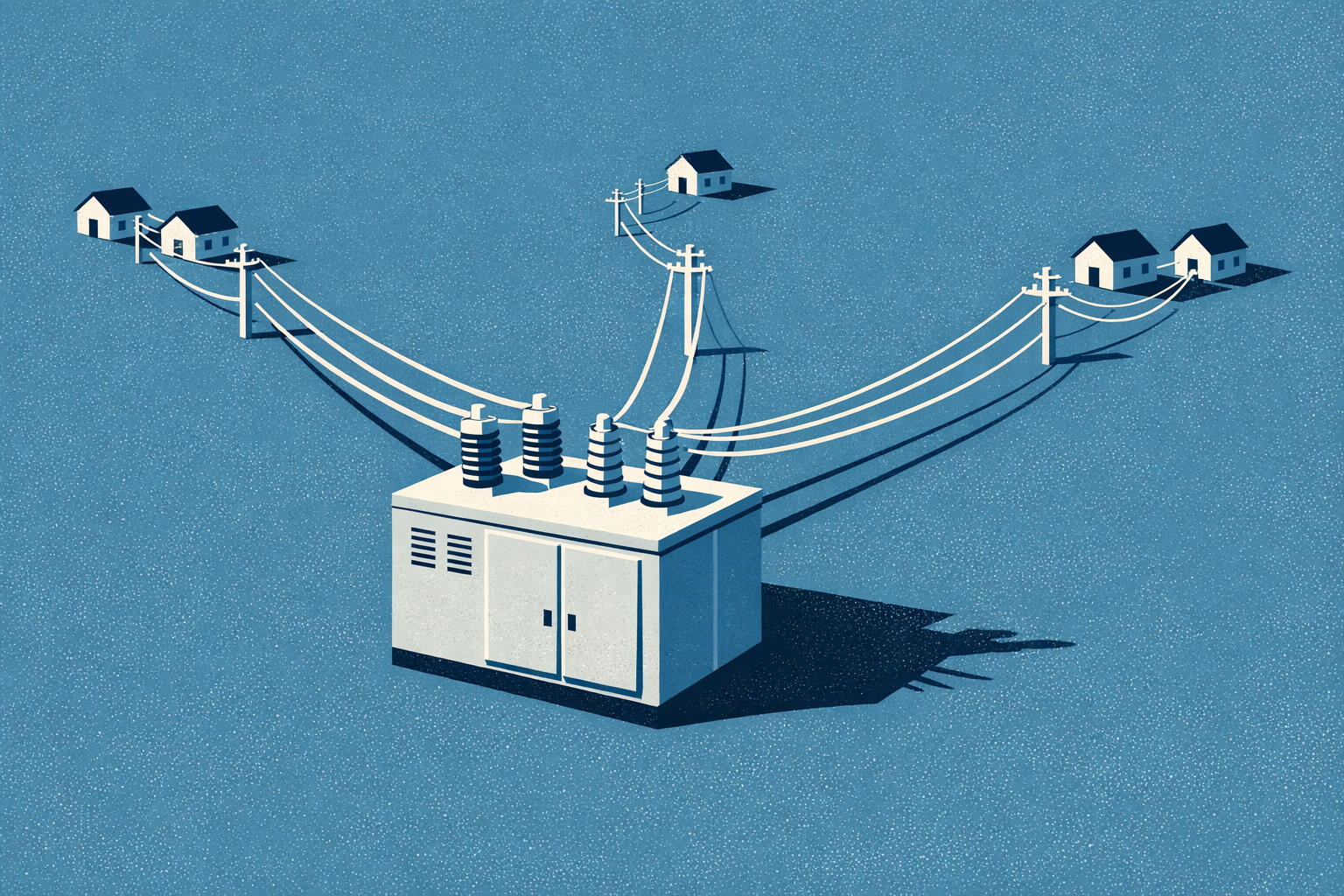
Publishers are increasingly exploring edge computing solutions to address the technical challenges of live streaming advertising in a rapidly growing market. The core challenge is delivering ads to millions of simultaneous viewers with minimal latency - a task where traditional central ad servers often struggle during high-traffic events.
This guide explores the technical advantages of an edge architecture, hybrid monetization strategies, and the essential infrastructure upgrades publishers need to implement for high-concurrency live events.
Why edge beats a single central server
Edge architecture addresses the high-concurrency, low-latency demands of live streaming ad delivery. By moving ad decisioning closer to the viewer, it reduces buffering and round-trip time, which traditional central ad servers struggle with during traffic spikes, ensuring a smoother user experience and better ad performance.
Live streaming events generate sudden, massive traffic spikes, with ad breaks triggering millions of simultaneous requests. An edge-based model distributes ad decisioning across a network of nodes, shortening the physical distance signals must travel. This significantly reduces buffering and improves the viewer experience. Industry guidance emphasizes upgrading "technological scalability and infrastructure" for "unmatched scale and reliability," directly pointing to the benefits of an edge or CDN-based strategy.
Key performance benefits:
- Reduced Latency: Minimizes round-trip time to limit viewers from abandoning streams during mid-roll ads.
- Improved Scalability: Leverages redundant nodes to absorb sudden regional traffic spikes without performance degradation.
- Enhanced Stability: Provides local failover paths to maintain stable playback even if a primary node fails.
Hybrid demand paths lift yield
To maximize revenue, Google's hybrid monetization guidance, citing BCG research, advises publishers to combine multiple demand sources. A balanced strategy that includes reservation, programmatic guaranteed, private marketplace (PMP), and open exchange demand offers the flexibility to optimize both fill rates and CPMs. This approach allows sales teams to secure high-value marquee slots while programmatic algorithms capture incremental revenue in real time.
A concise traffic allocation plan may include:
1. Reservation: Secure premium ad spots for primary sponsors during key moments, like the event's opening.
2. Programmatic Guaranteed: Offer fixed-price inventory packages to regional or specialized advertisers.
3. Private Marketplace (PMP): Create exclusive deals for advertisers targeting high-value audience segments.
4. Open Exchange: Use open auction backfill with set CPM floors to monetize any remaining impressions.
Server-side ad insertion at the edge
Server-side ad insertion (SSAI) at the edge is crucial for a seamless viewing experience. As noted in Google's Dynamic Ad Insertion guide, SSAI creates a "TV-like experience without latency or buffering" by stitching ads directly into the video stream from edge nodes. This method removes the client-side SDK from the critical playback path, minimizes manifest manipulation delays, and fully supports the hybrid revenue model across all devices.
Forecasting matters as much as delivery
Effective delivery is impossible without precise planning. Google stresses the importance of improving inventory forecasting for live events. Accurate predictions of concurrent viewership are essential for determining how many edge instances to provision, the necessary scale of the CDN footprint, and the volume of programmatic deals to secure. Inaccurate forecasts lead to either overloaded systems and poor performance or unsold inventory and lost revenue.
Market outlook and scale considerations
The financial incentive for scaling is significant. According to industry reports, connected TV (CTV) ad revenue is expected to experience substantial growth in the coming years. This rapid expansion represents a massive opportunity for live stream publishers, but only if their technology stacks are built to scale reliably under pressure.
As publishers plan their next technology upgrade, they must strategically map every stage of the ad workflow - including decisioning, video delivery, and measurement - to the closest possible edge location. For any component where distance remains a factor, implementing robust redundancy and pre-fetching logic is critical to safeguarding both the viewer experience and advertiser results.