
YouTube Expands AI Deepfake Detection to Politicians, Journalists
Serge Bulaev
YouTube is making its AI deepfake detection tool available to politicians, government workers, and journalists. This tool helps them find and remove videos that use AI to copy their face or voice. The system works by checking new uploads against a selfie and ID the person provides. If a suspicious video is found, the person gets an alert and can ask for the video to be taken down. YouTube hopes this will stop fake videos from confusing people, especially during elections.
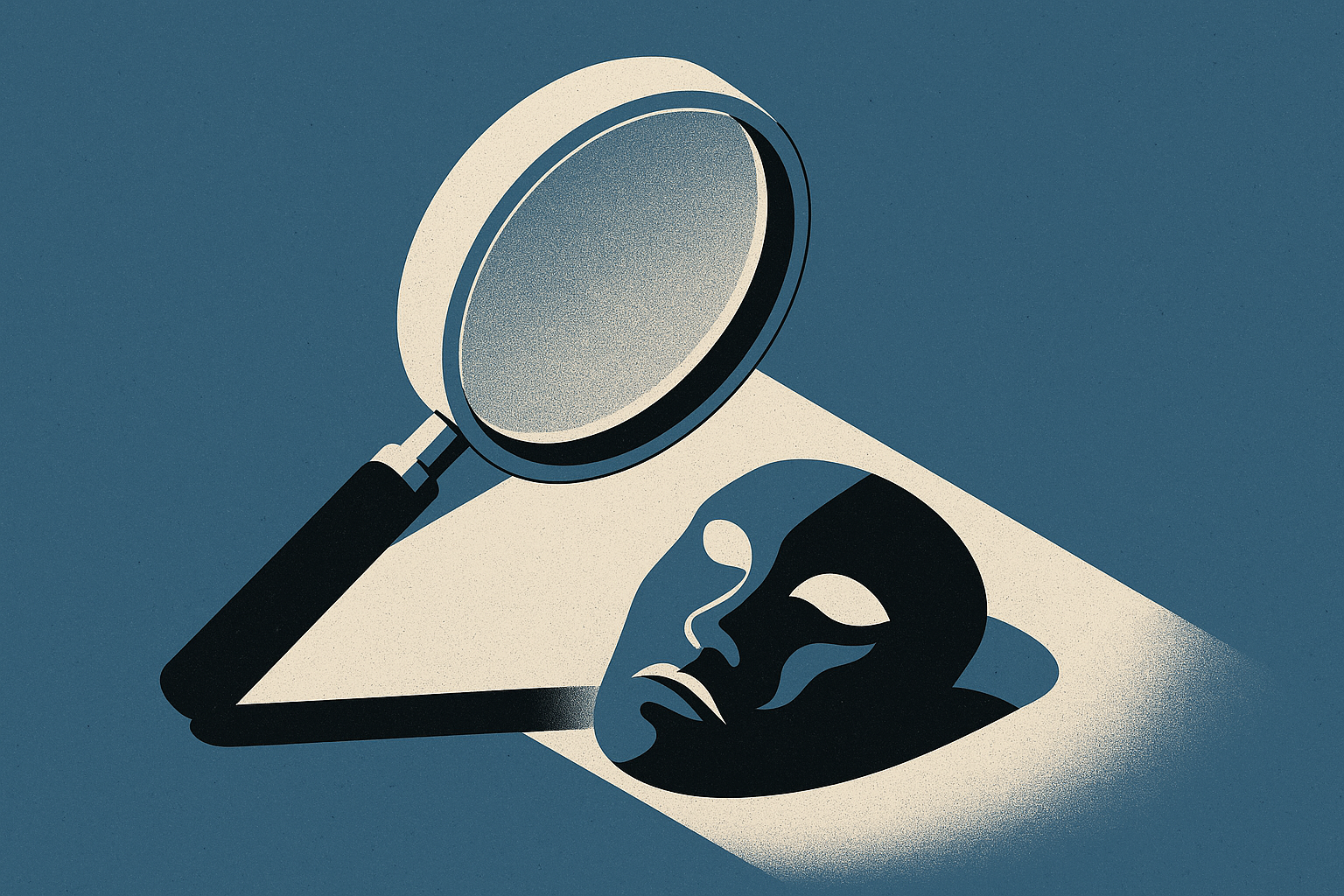
YouTube is expanding its AI deepfake detection tool, extending its pilot program to politicians, government officials, and journalists. This move, reported by TechCrunch, addresses rising concerns over synthetic media influencing public debate, especially as the 2026 electoral cycle approaches.
The program provides high-profile participants with a mechanism to find and request the removal of videos that use artificial intelligence to replicate their face or voice.
How the Likeness Tool Works
The tool works by converting a participant's selfie and government ID into a unique facial signature. YouTube's system then scans new uploads against this signature, automatically flagging potential matches on a private dashboard where the user can review them and request a takedown for privacy violations.
Building on its Content ID copyright scanner, the likeness detection model routes takedown requests to human reviewers. According to an AI Insider interview with VP Amjad Hanif, removal volumes from an earlier creator pilot remain low. Approved requests result in removal or restricted visibility, while content deemed satire or political critique generally remains accessible but receives an automated disclosure label.
Early Implications for Brands and Agencies
For advertisers, the rise of AI impersonations presents a new brand safety risk, with ads potentially appearing next to a deepfake of a public figure. Suitability teams are advised to view deepfake detection as another content signal, not a simple blocklist. Practical strategies for agencies include:
- Prioritize certified news and civic channels when running election-season campaigns.
- Activate dynamic exclusions for videos that receive a policy strike related to impersonation.
- Monitor the forthcoming Content Provenance initiative so that media assets carry cryptographic stamps.
- Encourage talent partners to enrol in the likeness program to speed up resolution if issues surface.
Technical and Policy Gaps
Significant technical and policy gaps remain. The tool's accuracy is not publicly verified, and academic studies indicate that new AI models can evade most detectors with over 90% success. This highlights the ongoing arms race between deepfake creators and platforms. Consequently, YouTube is not promising pre-upload blocking, instead positioning the pilot as an "evolving safeguard" that will adapt alongside maturing policies and legislation like the proposed NO FAKES Act.
What Happens Next
Looking ahead, YouTube engineers are exploring the integration of provenance metadata and cross-platform threat sharing. Industry observers anticipate that YouTube will release aggregated performance metrics - such as detection rates, review times, and takedown approvals - once the pilot program has generated sufficient data.
What exactly is YouTube's new pilot for politicians and journalists?
YouTube is testing an AI-powered likeness-detection system that lets qualifying politicians, government officials, and journalists flag videos that use synthetic versions of their face or voice. After a one-time selfie-and-ID check, participants receive automatic alerts when the system spots a potential deepfake and can request removal under YouTube's privacy guidelines. The pilot, announced in March 2026, builds on the same core engine that has already been scanning for creator look-alikes since 2025.
How does the technology differ from classic Content ID?
Instead of matching exact audio or video clips, the new layer looks for AI-generated faces and voices that mimic a real person. Traditional Content ID blocks or monetizes copies of copyrighted songs or footage; likeness detection asks, "Does this new upload simulate this specific human?" If the answer is yes, the flagged file is queued for human review rather than taken down instantly, preserving room for satire or political commentary.
Why is the rollout limited to a small group for now?
YouTube calls the program a "pilot" because every removal request still passes through manual policy review. The platform wants to refine accuracy and avoid over-blocking before opening the tool to millions of users. Early data from the 2025 creator wave showed that most matches were harmless or even beneficial (fans making tribute videos, for example), so scaling too fast could drown reviewers in false alarms.
What happens if a deepfake slips through the cracks?
Detection is not a guarantee of removal. Parody, news reporting, or critique that meets YouTube's public-interest guidelines can stay up, even if the subject objects. If the uploader disputes a takedown, the clip may return after appeal. YouTube also labels AI-generated content in descriptions or on the video itself, giving viewers context even when the footage remains live.
Could this approach become an industry standard?
The idea is gaining traction: OpenAI, TikTok, and Meta are all piloting similar likeness shields, and proposed U.S. laws such as the NO FAKES Act would create a unified "right of digital identity." Yet experts warn that deepfake generators evolve faster than detectors, so today's 90% accuracy can drop to 50% within months. Long-term protection will likely require cryptographic watermarks and cross-platform blacklists, not platform-by-platform scanning alone.