
UNESCO Warns AI Cuts Creator Revenue 24% by 2028
Serge Bulaev
UNESCO warns that by 2028, artists like musicians and writers could lose almost a quarter of their earnings because of AI. More creative people now rely on digital income, but AI-made content is taking over and attracting more money and attention. Many artists lack protections, and digital skills gaps make it harder for some to keep up. UNESCO says urgent rules and better support are needed to help creators survive as AI grows.
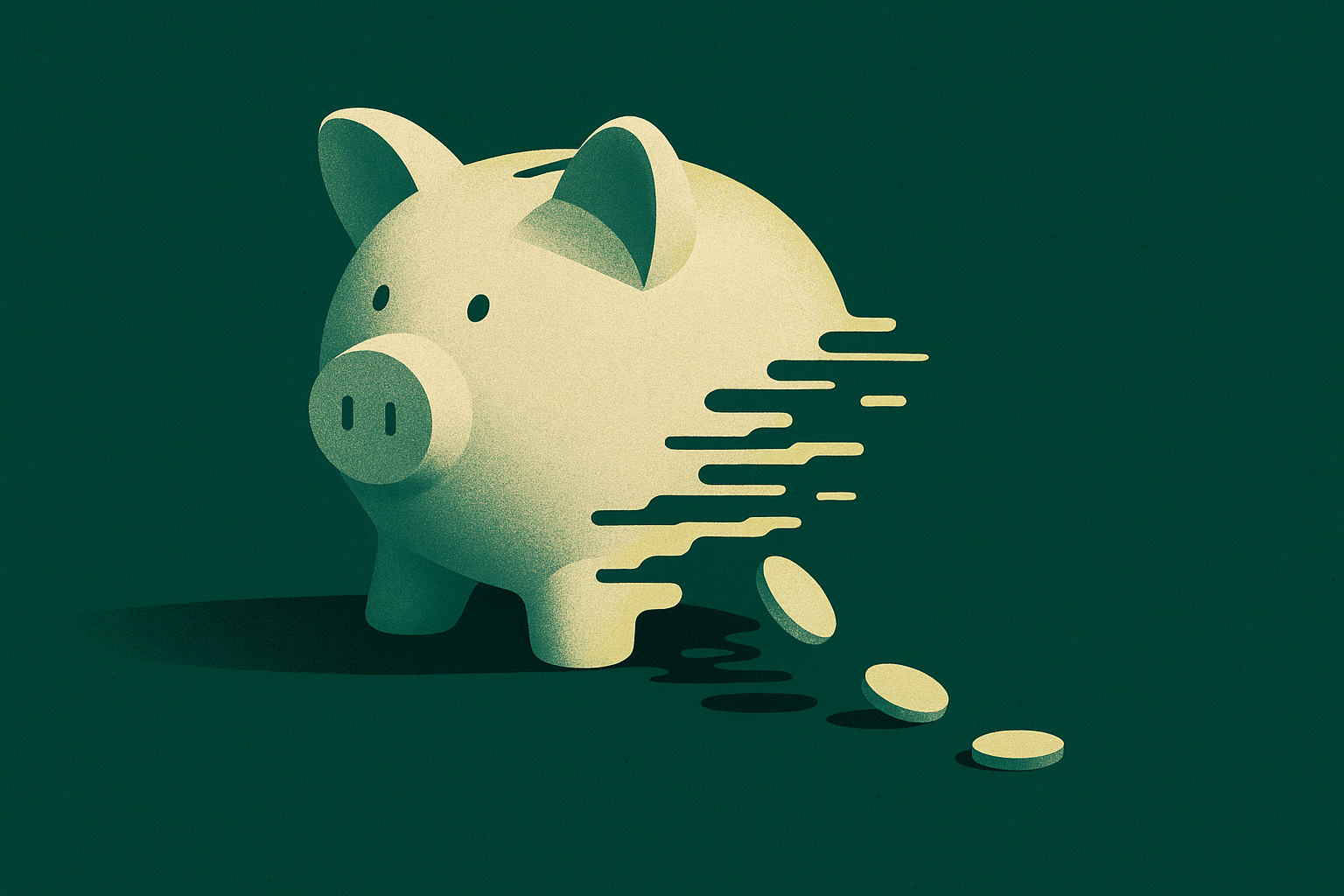
UNESCO warns that generative AI cuts creator revenue, with artists facing steep losses by 2028 as digital income becomes essential to their livelihoods. The agency's latest Global Report on Cultural Policies identifies generative AI and platform economics as the primary forces impacting musicians, screenwriters, and other rights-holders. While digital channels now provide 35% of artist income - up from 17% in 2018 - these platforms are simultaneously flooded with synthetic content, creating an urgent policy crisis.
The Stark Numbers Behind the Warning
Generative AI is projected to reduce creator revenue by flooding digital platforms with synthetic content that competes for audience attention and advertising spend. This influx devalues human-made work and diverts earnings that would otherwise go to artists, with the AI market itself expanding rapidly on unlicensed data.
UNESCO models project a 24% revenue decline for music creators and a 21% drop for audiovisual professionals by 2028. This trend is echoed by a CISAC-funded study, which warns AI company turnover could surge from €3 billion to €64 billion in the same period, primarily by using unlicensed cultural data (CISAC study). The report also predicts AI-generated audiovisual content will balloon from €6 billion in 2023 to €48 billion by 2028, far outpacing regulation.
Why Digital Dependence Exposes Artists to Risk
As creators increasingly rely on streaming and social platforms, their vulnerabilities are magnified. UNESCO finds 62% of cultural workers lack adequate social protections, a problem worsened by algorithms favoring mass-produced content. A significant digital skills gap further exacerbates this divide, with basic digital literacy at 67% in high-income countries versus just 28% in low-income nations. This imbalance concentrates AI's financial benefits in a few developed markets. The report deems current IP laws "outdated," leaving artists unprotected from AI tools that can clone their work in seconds (UNESCO overview).
UNESCO's Five Key Policy Recommendations
- Establish culture as a standalone Sustainable Development Goal (SDG) with dedicated funding.
- Update copyright laws to regulate AI training data and ensure fair pay for synthetic use.
- Strengthen social safety nets for freelance artists, including healthcare and unemployment benefits.
- Invest in digital skills and infrastructure, focusing on the Global South.
- Integrate arts education into national curricula to build a resilient creative workforce.
UNESCO will assess progress on these measures at the MONDIACULT 2025 conference in Barcelona, using comprehensive new data to guide future policy.
Why is UNESCO forecasting a sharp drop in creator income by 2028?
UNESCO's 2026 report Re|Shaping Policies for Creativity projects that music creators will lose 24% of their revenue and audiovisual creators 21% by 2028. The main driver is the explosion of generative-AI content that competes directly with human-made works, pushing down prices and royalty shares. Over the same period, the AI-generated music market is expected to swell from €6 billion to €48 billion, capturing slices of streaming, sync and library income that once went to people.
How fast has digital income really grown for artists?
Between 2018 and 2024, the share of total creator income coming from digital channels more than doubled, jumping from 17% to 35%. Global digital art sales alone rose from USD 12 billion in 2023 toward an estimated USD 39 billion by 2032, while the wider creator economy hit USD 149 billion in 2024 and is on track to top USD 1 trillion before 2034. Yet most of that value reaches only the top tier: more than half of all creators still earn under USD 15,000 a year.
Which creators are hit hardest and why?
Mid-tier and emerging artists suffer most. Algorithmic playlists and video feeds already favor a small pool of stars; AI floods the same channels with limitless cheap content, cutting perceived value of new human works. Translators, adaptors and screenwriters face projected losses up to 56%, while only 10% of influencers clear USD 100,000 annually, leaving the majority vulnerable to any dip in streaming or ad rates caused by synthetic media.
What policy fixes does UNESCO recommend?
UNESCO urges governments to:
- Treat culture as a standalone Sustainable Development Goal with clear targets and financing
- Modernize copyright so AI firms must license training data and share resulting revenues
- Close digital-skills gaps (67% in developed countries vs 28% in developing ones) and collect gender- and region-disaggregated data to prove what works
- Expand collective management and transparent royalty accounting so platforms cannot hide AI reuse behind black-box algorithms
Can creators do anything now to protect their income?
Yes. Practical moves gaining traction include:
- Registering works with metadata in collective databases before AI release, making future infringement claims easier
- Negotiating "no-AI" clauses in brand, publisher and label contracts
- Using AI-detection watermarks and takedown services to police unlicensed use
- Diversifying into live, physical or patron-style revenues (subscriptions, tickets, merch) that algorithms can't replicate overnight