
Jury awards $6M, finds Meta and Alphabet liable for addictive design
Serge Bulaev
A jury in Los Angeles awarded Kaley Glenn-Mills six million dollars in March 2026, finding Meta and Alphabet liable for making social media features that may have led to addictive use and harmed her mental health. The case focused on platform designs like infinite scroll and autoplay, which reportedly kept users, including minors, engaged longer. Experts suggest this ruling could affect thousands of similar lawsuits and signals a shift toward questioning how tech products are built. Some tech companies have started making changes, such as increasing age checks, and lawmakers may use this case to draft new youth safety laws. Appeals are ongoing, and if the decision holds, Meta and Alphabet might face more pressure to settle other addiction-related claims.
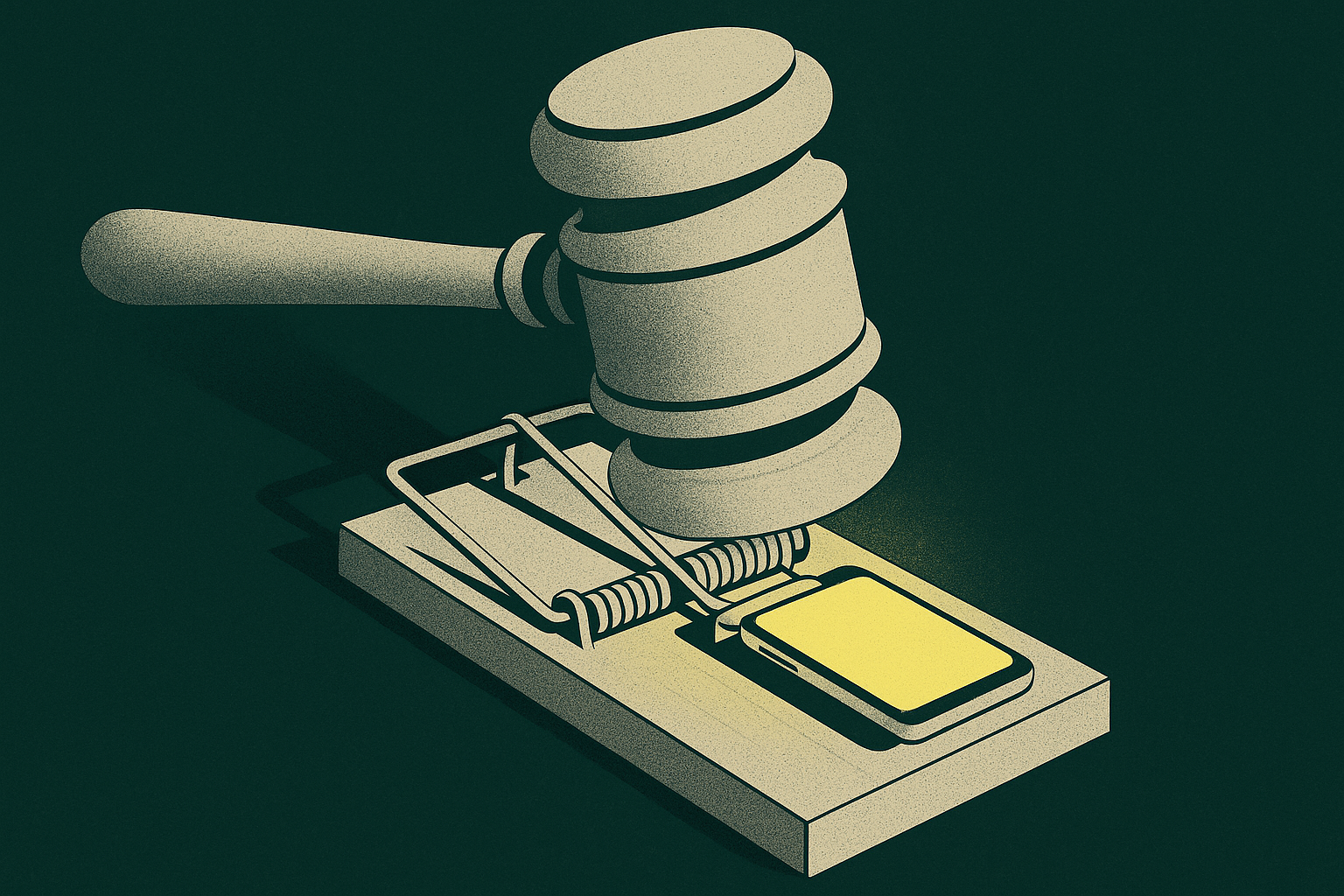
A Los Angeles jury found Meta and Alphabet liable for the addictive design of Instagram and YouTube, awarding $6 million to plaintiff K.G.M., a 20-year-old woman, for mental health damages. The landmark March 2026 ruling is the first in the U.S. to hold platforms negligent for features like infinite scroll and autoplay that promote compulsive use, as reported by NPR. The case, K.G.M. v. Meta et al., is considered a bellwether that shifts legal focus from content moderation to product engineering, potentially shaping thousands of similar lawsuits.
How the jury calculated liability
A Los Angeles jury found Meta and Alphabet's product designs negligent, holding them liable for features like infinite scroll and autoplay that fostered addiction in minors. The verdict targets the engineering of the platforms themselves, not user content, establishing a new precedent for tech company accountability.
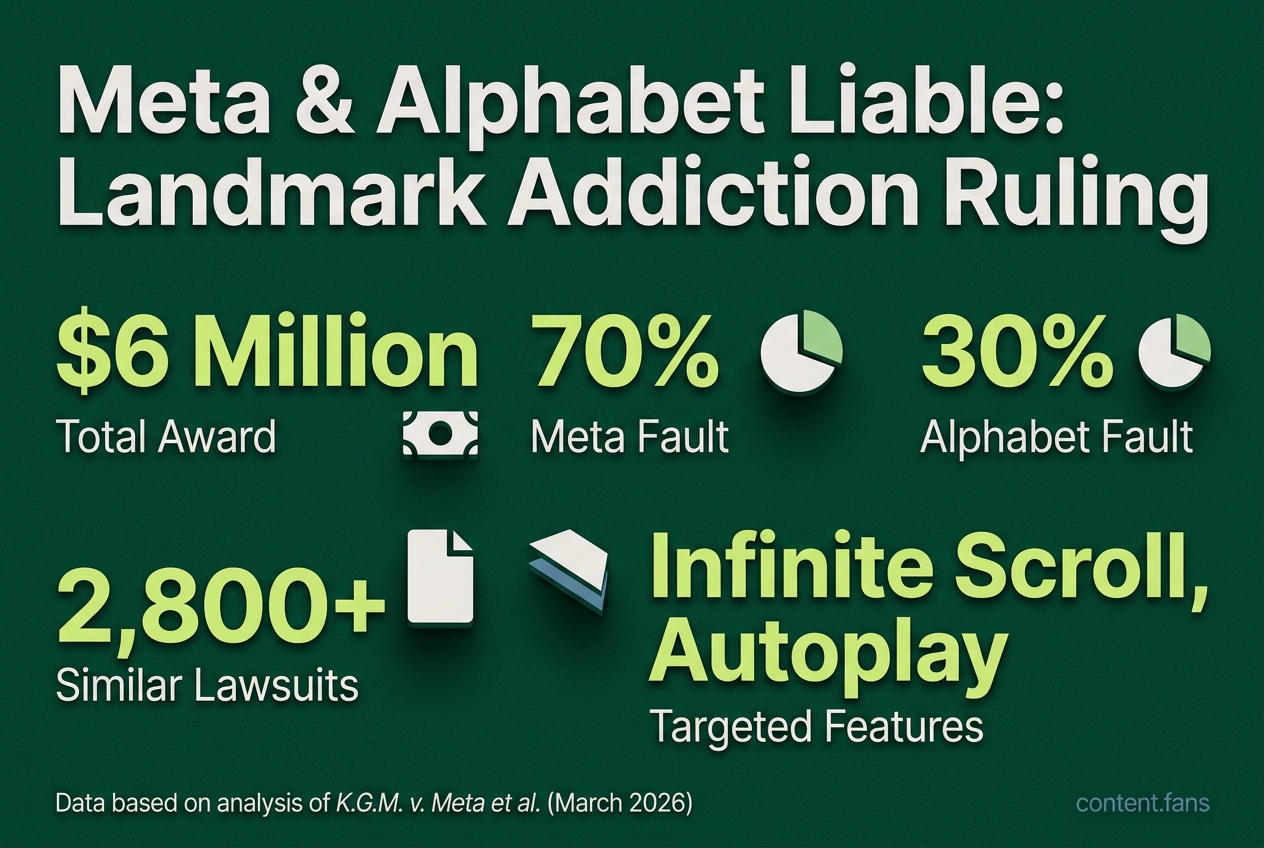
After four days of deliberation, jurors assigned 70% of the fault to Meta and 30% to YouTube. The $6 million award was divided equally between compensatory and punitive damages. The jury's finding that the companies acted with "malice, oppression, or fraud" was critical, as it enabled the assessment of punitive penalties, according to Rolling Stone.
A brief look at the numbers:
- Compensatory: three million dollars (Meta 2.1M, YouTube 0.9M)
- Punitive: three million dollars (Meta 2.1M, YouTube 0.9M)
Attorneys for K.G.M. had requested up to one billion dollars in punitive relief, but jurors reportedly opted for a narrower figure they felt could survive appeal.
Alleged design hazards that swayed the panel
Testimony and internal emails revealed that specific product choices were engineered to maximize engagement among minors, often beyond what was considered healthy.
• Infinite scroll that removes natural stopping cues
• Algorithmic recommendations tuned for high watch time
• Autoplay that launches new videos without user action
• Push notifications engineered for rapid return visits
Internal documents showed that design updates significantly increased teen usage patterns. This testimony supported the prosecution's claim that executives knew about the behavioral impacts of their design choices but failed to implement sufficient safety measures.
Early ripple effects in tech and the courts
Legal experts note the verdict bypasses Section 230 immunity by targeting product features instead of user content, creating a potential legal path for over 2,800 similar addiction claims consolidated in Northern California federal court.
Industry lawyers have filed notices of appeal, with Google's counsel arguing that product liability theory conflicts with federal communications policy. In response, several platforms have launched or expanded age-verification pilots, and TikTok has reportedly begun throttling late-night notifications for users under 16.
The ruling is also influencing policy. New U.S. youth safety bills now include "defective design" language from the complaint, and EU regulators are citing the case in discussions about the Digital Services Act. School districts have also taken notice, with many referencing the decision while negotiating settlements with platforms over student mental health costs.
What comes next for K.G.M.
The plaintiff, now 20, continues to use Instagram sparingly. With motions on attorneys' fees scheduled for August, the case's future hinges on the appeals process. If appellate courts uphold the core negligence finding, experts predict Meta and Alphabet will face immense pressure to settle the thousands of remaining addiction lawsuits rather than risk more substantial punitive damages in future trials.
What exactly did the jury find Meta and Alphabet liable for?
The Los-Angeles jury ruled that Instagram and YouTube are "defective products" because they were intentionally engineered to keep minors scrolling, auto-playing and re-loading in ways that create compulsive use. Internal documents showed executives knew the features harmed developing minds yet failed to add meaningful safeguards or warnings, so the platforms were deemed negligent and liable under product-liability law rather than just content-moderation rules.
How much money did the plaintiff receive and why?
K.G.M. was awarded $6 million - $3 million in compensatory damages and $3 million in punitive damages - after the jury found the companies acted with "malice, oppression or fraud." Meta bears 70% of the bill ($4.2 million) and Alphabet the remaining 30% ($1.8 million).
Does the verdict break new legal ground?
Yes. It is the first U.S. jury decision to pierce Section 230 protections for platform design, meaning courts can now treat addictive interface choices - not user posts - as the harmful "product." The finding opens the door for thousands of pending personal-injury suits and pressures regulators to codify age-appropriate design standards.
How have Meta and Alphabet responded?
Google says it will appeal the decision, arguing its parental controls already exceed industry norms. Meta, which faced bruising testimony from CEO Mark Zuckerberg, called the outcome "disappointing" but has not detailed its next legal step. Both firms insist they have strengthened teen safety settings since the lawsuit began.
What should platforms do to limit similar risk?
Lawyers following the case recommend three immediate steps:
- Age-gate high-engagement features such as algorithmic feeds or live-streaming for under-18 accounts.
- Throttle notifications - cap daily push alerts and allow bulk opt-out to curb compulsive checking.
- Keep an engagement-audit paper trail documenting how each design change affects time-spent and mental-health metrics, which could prove the firm acted responsibly if future harms are alleged.
Adopting these practices early, counsel say, may help companies show they learned from the $6 million wake-up call rather than repeating it.