
Generative engine optimization expands to target AI shopping agents
Serge Bulaev
Generative engine optimization (GEO) is becoming more important as people use AI assistants like ChatGPT for shopping advice. Instead of showing many links, these assistants often give one main answer, so brands need to make sure their facts are accurate and trusted to be included. Research suggests more shoppers will use AI agents, which may give smaller brands a chance to be noticed if they optimize early. Experts say third-party reviews and clear, machine-readable product details may help brands appear in AI answers. The rules for GEO may change, but using good data and showing real authority appears to help brands stay visible as shopping habits shift.

Generative engine optimization (GEO) is a critical new discipline for marketers as AI agents fundamentally reshape product discovery. When consumers ask assistants like ChatGPT for shopping advice, they receive a single, synthesized answer, not a list of links. The brands featured in that answer gain a powerful advantage by capturing attention before a user even opens a search engine.
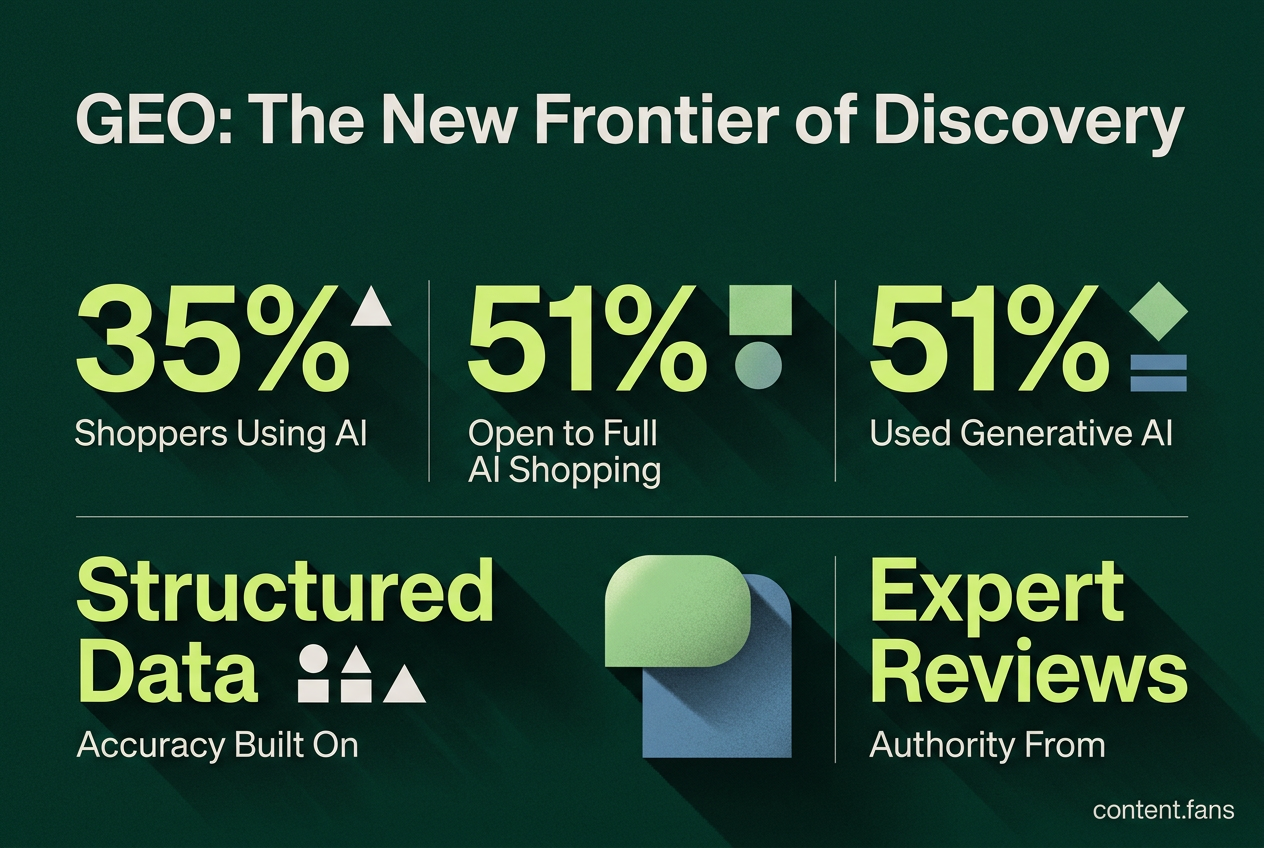
According to industry analyst Joseph Levi, GEO presents a dual challenge of accuracy and authority. Brands must first ensure AI agents can understand their product information correctly, then provide compelling reasons for a recommendation. Industry reports suggest that accuracy is built on structured data, while authority stems from external validation like expert reviews.
Why the answer layer matters
Generative Engine Optimization (GEO) is the practice of aligning a brand's digital content to be selected and featured in the synthesized answers of AI agents. It focuses on establishing authority and factual accuracy, enabling AI to confidently recommend a product or service over competitors in a single response.
This shift to an "answer layer" is significant. Research from Adyen shows that 35% of shoppers report using AI assistants, with 51% of US shoppers open to AI handling the full shopping process. Additionally, Stord research indicates that 51% have used generative AI for online shopping. This trend compresses the sales funnel, as the AI agent handles comparison and shortlisting. Analyst Joseph Levi suggests this creates a rare opportunity for smaller, niche brands to gain visibility by optimizing for GEO before larger competitors.
AI agents prioritize credibility signals over simple keyword density. Third-party validation, including press coverage and verified reviews, is weighted more heavily than a brand's own marketing copy. Industry reports suggest that GEO programs using fact-dense content can lead to significant increases in AI-driven discovery traffic.
Early lessons from industry case studies
- Develop Machine-Readable Details: Structure product data with schema markup, including pricing, availability, and sustainability attributes.
- Publish Citable, Evidence-Based Content: Create articles and resources grounded in facts that an AI can reference directly.
- Secure Mentions in Trusted Sources: Earn coverage in authoritative outlets that large language models already rely on for information.
- Monitor AI Visibility: Use emerging analytics tools to track brand citations and share of voice within AI-generated answers.
Since conversational AI lacks traditional clicks and impressions, marketers are developing new KPIs. Industry reports indicate that well-executed campaigns can result in substantial increases in AI-related search traffic and brand mentions. Such metrics signal a shift in how marketing success will be measured as analytics platforms adapt.
Preparing for agent-to-agent transactions
Looking ahead, experts predict the evolution from AI recommendations to automated purchases. When an AI agent is authorized to make purchases, becoming its top recommendation translates directly into revenue without human intervention. This elevates the importance of data accuracy, regulatory compliance, and ethical content strategies, blending GEO with privacy and IP governance.
While the GEO landscape remains volatile, the foundational principles of clean data, verifiable claims, and proven authority are expected to remain constant. Brands should treat GEO as a strategic imperative, preparing for a future where AI agents are the primary mediators of commerce.