
Food Brands Reformulate Products for Metabolic Health in 2026
Serge Bulaev
In 2026, food brands are changing their products to support metabolic health, as more shoppers look for foods with higher protein and fiber. Sales data suggests that foods made for fullness, gut health, and steady energy are becoming more popular. Experts say people may care more about metabolic markers like blood sugar and inflammation, partly because of interest in GLP-1 medications. Many companies are now adding protein and prebiotic fiber to snacks, drinks, and cereals, while also reducing added sugar. It appears that these changes may continue as regulators watch health claims closely and consumers track their own health more often.

Food brands are reformulating products for metabolic health as consumers increasingly prioritize protein and fiber. This shift is driven by a growing awareness of blood sugar stability and satiety, with sales data showing that reformulated foods are moving from niche health stores to mainstream supermarket shelves.
Why shoppers suddenly care about metabolic markers
The widespread use of GLP-1 medications and personal health trackers has moved metabolic wellness into the mainstream. Consumers are now more aware of metrics like blood sugar and inflammation, creating strong demand for everyday foods that support satiety, gut health, and stable energy between meals.
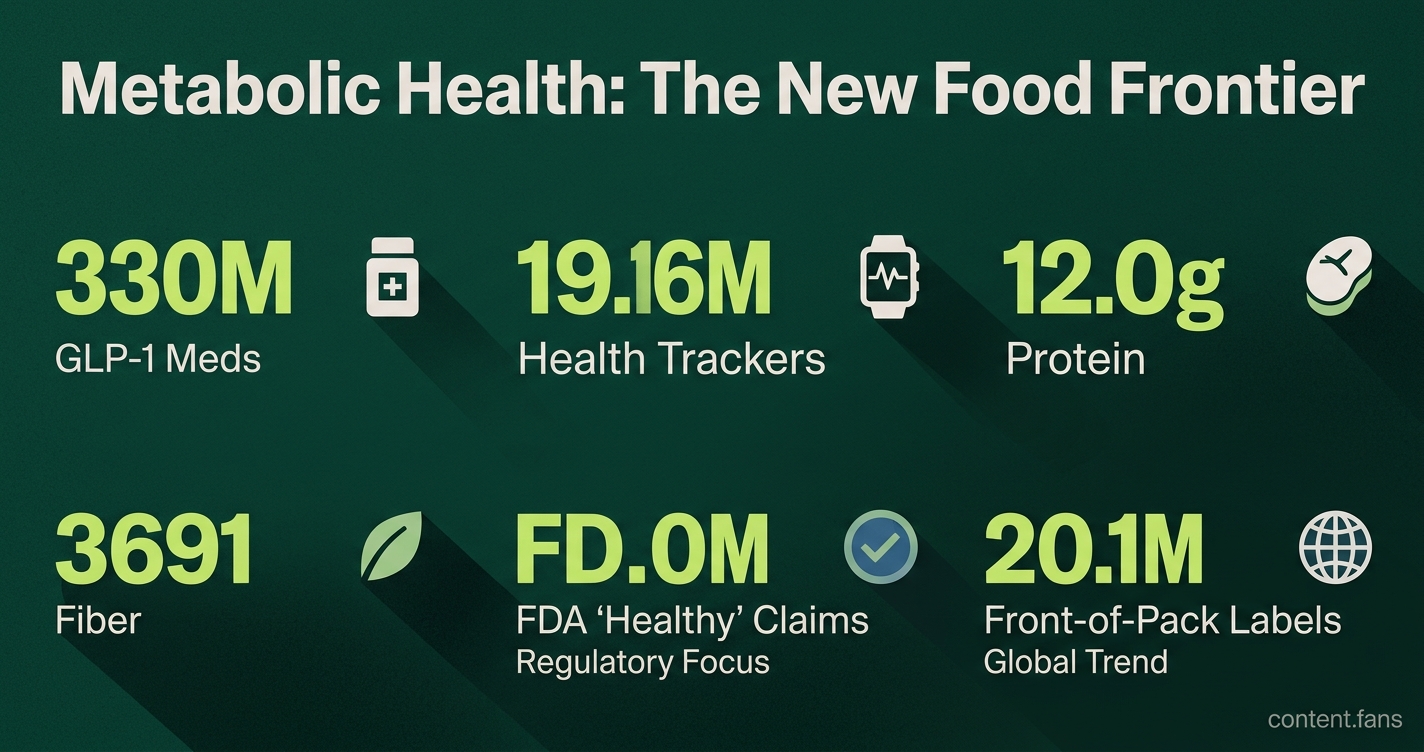
Metabolic health is one of the fastest-growing segments within the functional foods market, which continues to expand according to industry reports. This trend is amplified by the rise of GLP-1 medications, used by a growing number of U.S. adults. Analysts note that these drugs, along with personal health sensors, are teaching consumers to monitor their protein, fiber, and sugar intake. As a result, shoppers now view metabolism as a key health indicator encompassing blood pressure, cholesterol, and inflammation.
Formulation priorities: protein first, fiber following
Industry experts like Mark Boyd-Boland of L.E.K. Consulting recommend that brands add functional nutrients to everyday products like drinks, snacks, and cereals. A NielsenIQ Expo West 2026 analysis confirms this trend, noting a surge in protein claims across all grocery aisles. Consumer intent supports this, with many shoppers planning to increase protein intake and a significant portion aiming for more fiber.
Key formulation targets include:
- Substantial amounts of dairy or plant protein per serving
- Meaningful levels of prebiotic fiber listed clearly
- Micronutrients such as chromium for glucose control
- Low added sugar claims that meet emerging FDA definitions
Fiber, in particular, is being repositioned as a foundational nutrient for satiety and microbiome health, not just a digestive aid. Products like prebiotic sodas, slow-fermented breads, and snacks featuring prunes highlight this reframing. This strategic shift presents an opportunity for private-label brands to update existing product lines.
Marketing within a tightening regulatory net
As brands reformulate, they must navigate an increasingly strict regulatory landscape. The FDA is enforcing its "healthy" claim rule and requiring mandatory GRAS (Generally Recognized as Safe) notice submissions. Furthermore, unsupported metabolic health claims face scrutiny and potential penalties from the FTC. The global adoption of front-of-pack labeling systems, such as Nutri-Grade in Singapore and the UK's traffic-light scheme, adds another layer of compliance.
To mitigate risk, experts advise brands to focus on measurable, functional outcomes - like supporting a healthy post-meal glucose response - rather than broad longevity promises. The success of yogurt, which has an FDA-qualified claim for reducing type-2 diabetes risk, demonstrates that science-backed claims on familiar products are a winning strategy.
Category examples hint at near-term opportunities
For manufacturers, reformulating existing products is often more cost-effective than developing novel ingredients, especially when using suppliers with established GRAS dossiers. This approach explains why many companies are choosing to add milk protein concentrate or chicory root fiber, reduce sugar, and adjust portion sizes rather than investing in new bioactive compounds.
The industry will be watching closely to see if these incremental product changes lead to long-term consumer loyalty, especially as metabolic health tracking and GLP-1 usage become more common.
What is driving the mainstream shift toward metabolic health?
GLP-1 medications and home glucose monitors have moved metabolic wellness from a diabetic niche to a mass-market concern.
- A growing number of Americans have tried or are using GLP-1 drugs, and pricing drops are pushing adoption higher.
- Real-time glucose feedback is teaching shoppers how everyday foods affect blood sugar, creating demand for everyday staples that blunt spikes and prolong satiety.
Which product categories are being reformulated first?
Waters, teas, snacks, breads and breakfast cereals are the low-hanging fruit.
- Recent trade shows showed protein-enhanced crackers, fiber-forward oat milks and low-glycemic sweet teas within arm's reach of conventional versions.
- Dairy is racing ahead: the FDA's first-ever qualified health claim for yogurt (any fat level) links regular consumption to reduced type-2 diabetes risk, giving yogurt makers a regulatory head start.
What nutrient trio are formulators leaning on?
Protein + fiber + targeted micronutrients.
- Many consumers plan to increase protein and a significant portion plan to increase fiber.
- Chromium, berberine and magnesium are being micro-dosed into beverages and baked goods to support insulin sensitivity and inflammation control without pills.
How are brands messaging these changes without breaking rules?
They spotlight measurable metabolic outcomes instead of age- or disease-based promises.
- Labels whisper "helps maintain steady glucose response" or "supports short-chain fatty acid production" rather than "for diabetics".
- The FTC requires competent and reliable scientific evidence (preferably randomized controlled trials) for health claims. The FTC does not endorse small clinical pilots as sufficient substantiation for metabolic claims. Epidemiological studies and small studies are generally insufficient unless RCTs are infeasible and experts accept alternatives.
What does the evolving regulatory landscape look like?
Tighter substantiation, front-of-pack transparency and global label convergence.
- FDA now asks for GRAS notices for all new metabolic ingredients and is finalizing a "low added sugar" nutrient claim.
- Nutri-Grade, Health Star and traffic-light labels are becoming mandatory in Singapore, Vietnam, the UAE and the UK, forcing exporters to reformulate for color-grade thresholds while still hitting protein and fiber targets.