
Google's March 2026 Update Cuts Spam Sites Up to 50% Traffic
Serge Bulaev
Google's March 2026 update quickly cut traffic for spammy websites by up to 50%, hitting in less than a day. Sites using tricks like fake links or lots of low-quality, copied content lost the most visitors. The update didn't change Google's rules, but it did a faster and stronger job of enforcing them. Now, websites with real, helpful information and clear authors are seeing better results. If your site was hit, it may take months to recover by improving quality and following Google's rules.
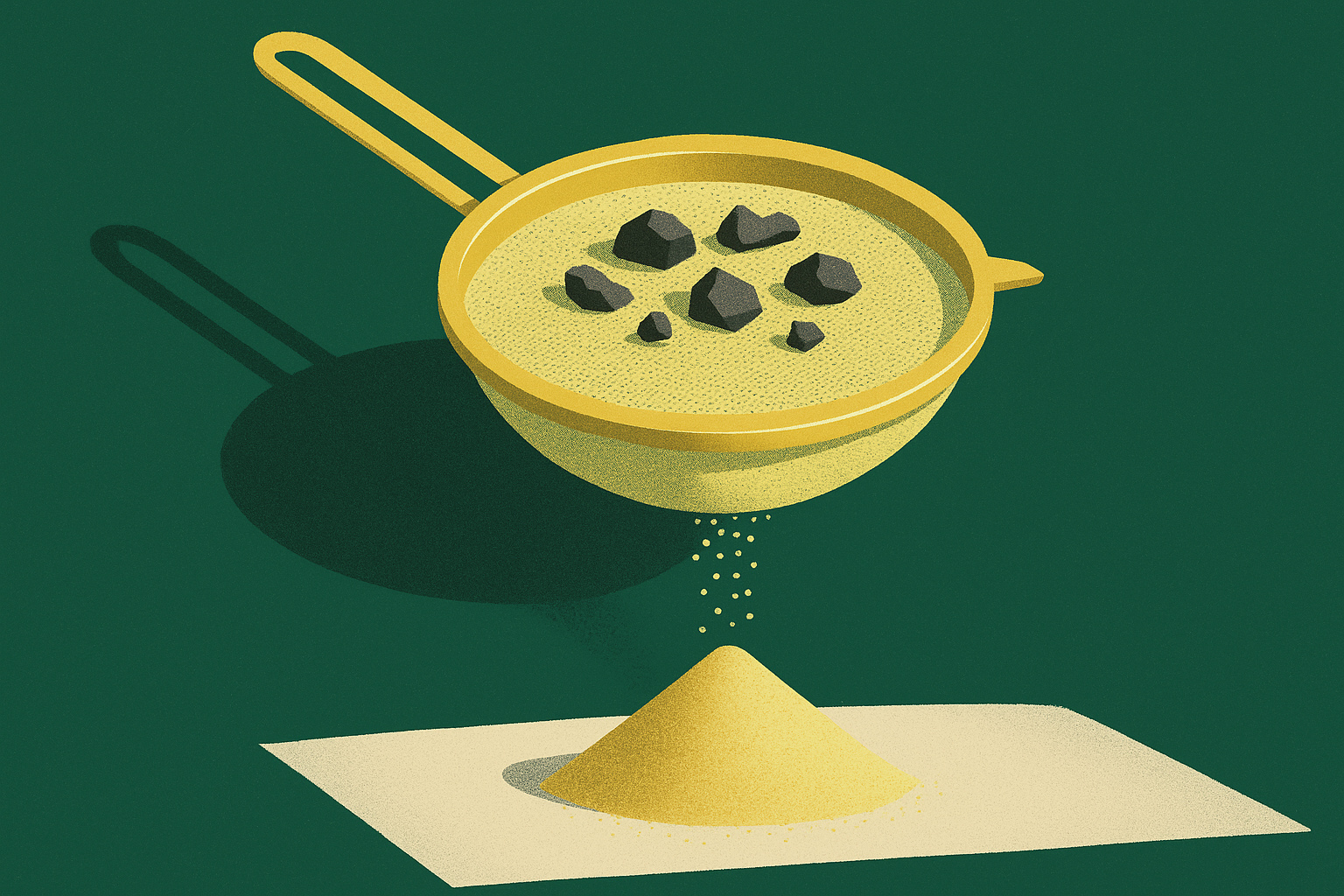
Google's March 2026 spam update delivered a significant blow to low-quality websites, with some losing up to 50% of their organic traffic in under 24 hours. The update, which focused on aggressive enforcement of existing spam policies, penalized sites reliant on cloaking, link schemes, and mass-produced content. Conversely, compliant sites with authoritative, user-focused content reported visibility gains. For affected publishers, recovery is possible but requires a long-term commitment to quality and adherence to Google's guidelines.
What Changed During the Lightning Rollout
Google documented the update on its Search Status Dashboard, beginning at 12:00 PM PT on March 24 and concluding by 7:30 AM the following day. The entire global rollout finished in less than 20 hours, making it the fastest spam update ever recorded, according to Search Engine Journal. This enhanced enforcement was powered by Google's SpamBrain AI, which was refined to better identify scaled content abuse and low-value AI pages, as confirmed by Search Engine Land.
The March 2026 spam update was an accelerated enforcement of Google's existing quality guidelines, not a change in policy. It used an improved SpamBrain AI to more effectively penalize sites with thin, scaled, or AI-generated content, link schemes, and cloaking, while rewarding high-quality, user-first content.
Why AI Content Is Not the Core Issue
Google's official stance is that it penalizes low-quality outcomes, not specific content production methods. Helpful, expert-driven articles that have been reviewed or edited by humans are not the target. The update specifically targets scaled content abuse, where AI is used to generate thousands of low-value pages in bulk with minimal human oversight. SpamBrain is now trained to detect tell-tale patterns of this abuse, including repetitive sentence structures and keyword-stuffed headings across numerous URLs.
First Steps if Your Traffic Vanished
If your site experienced a significant traffic drop, prioritize a thorough content and technical audit. Focus on these immediate actions:
- Audit and Prune Content: Identify pages with the largest traffic loss. Delete thin, duplicate, or unhelpful content, including scaled pages that just recycle templates.
- Consolidate and Enhance: Merge fragmented articles or thin affiliate pages into comprehensive, experience-driven resources to strengthen E-E-A-T signals.
- Review Backlink Profile: Use Google Search Console to inspect inbound links. Remove or disavow any links that appear manipulative or spammy.
- Ensure Policy Compliance: Immediately rectify any violations of Google's spam policies, such as cloaking or keyword stuffing.
- Monitor Recovery: Track impressions and rankings in Search Console to watch for gradual improvements over the following months.
Frequently Asked Questions About the March 2026 Update
How severe was the traffic drop?
Some sites lost up to 50% of their Google traffic within 24 hours, while compliant competitors in the same niches saw significant visibility increases. The entire rollout lasted under 20 hours, making it the fastest confirmed spam update on Google's public dashboard.
Did Google create new spam rules?
No. The update was a stricter enforcement of existing rules against scaled content abuse, thin AI copy, and link schemes. You can review the unchanged Google spam policies to confirm what qualifies as a violation.
Is all AI-written content penalized?
No, only low-value, mass-produced AI text is targeted. Content that involves human expertise - through original data, first-person examples, or clear author credentials - remains safe. The penalty targets poor outcomes, not production methods.
How long does recovery take?
Google advises that recovery takes "months, not weeks." Its systems must recrawl and re-score every cleaned URL, and it takes additional time for trust to be re-established. Pairing cleanup with strong E-E-A-T signals (expert authors, fresh research, better site structure) can accelerate the first signs of positive movement.