
Elon Musk Sues OpenAI, Microsoft for $134B in AI Damages
Serge Bulaev
Elon Musk is suing OpenAI and Microsoft for $134 billion, saying they misused his early donations after changing to a for-profit model and partnering with Microsoft. A judge has allowed the case to go to a jury, and the trial will reveal private messages and emails about how OpenAI was run. Musk claims the company broke its promise to stay nonprofit, while OpenAI says Musk agreed to their changes before leaving. This big legal fight is making other AI companies rethink their rules and how they balance business with public goals. The trial is expected to show many secrets about the AI industry.
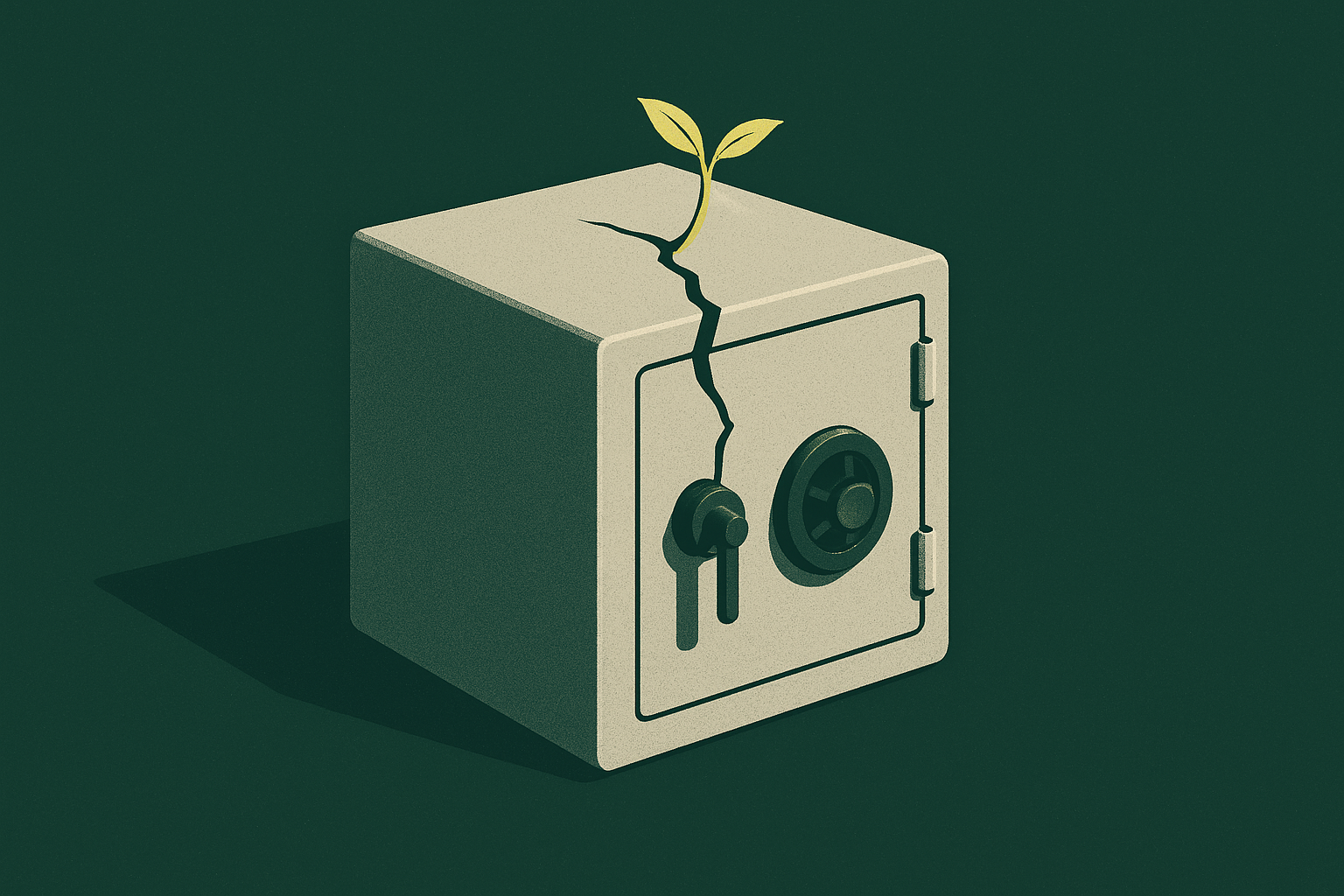
The high-stakes legal battle where Elon Musk sues OpenAI and Microsoft for up to $134 billion in damages is now proceeding to a jury trial in Oakland. The billionaire alleges his foundational contributions were betrayed when the AI research lab adopted a for-profit model and entered a major partnership with Microsoft.
This lawsuit pits the OpenAI co-founder against the very organization he helped create and its largest financial backer. The case spotlights the critical tensions between a company's original mission and the pressures of commercialization, a conflict increasingly common in the booming generative AI industry.
Elon Musk sues OpenAI and Microsoft seeking up to $134B in damages: where the case stands
Elon Musk's lawsuit against OpenAI and Microsoft will proceed to a jury trial after a federal judge denied motions to dismiss the case. Musk claims fraud and breach of trust, alleging his early donations were misused when the company adopted a for-profit model with Microsoft.
On January 15, 2026, a federal judge denied motions to dismiss the lawsuit, setting the stage for a jury to hear claims of fraud and breach of trust in late April. In the ruling, Judge Yvonne Gonzalez Rogers stated that Musk "plausibly alleges that OpenAI accepted charitable gifts for a specific purpose and later discarded that purpose after billions in commercial funding." This decision came after months of discovery that unearthed internal emails, diary entries, and text messages.
The damages model, developed by economist C. Paul Wazzan, estimates OpenAI's "wrongful gains" at $65.5 - $109.4 billion and Microsoft's at $13.3 - $25.1 billion, as initially reported by TechCentral.ie. Musk's legal team claims this represents a 3,500-fold return on his original $38 million seed donation, which constituted approximately 60% of the lab's initial funding.
OpenAI has publicly refuted the allegations, labeling the lawsuit "baseless" and an "ongoing pattern of harassment" in its official OpenAI statement. The company maintains that Musk was supportive of a for-profit structure before his resignation in 2018, which they argue paved the way for the current model combining a nonprofit board with capped-profit operations.
Evidence that will shape the April trial
- A 2017 private diary entry from co-founder Greg Brockman, entered as Exhibit A, which states that switching to a for-profit B-Corp "three months later would be a lie."
- Text messages reportedly from Microsoft CEO Satya Nadella describing the conflict as a potential "500 billion dollar fraud case," as disclosed by TechBuzz.ai.
- Emails from board member Shivon Zilis to Musk, sent weeks before the governance model changed, indicating that leadership "would like to continue with the non-profit structure."
Musk's legal team intends to call former OpenAI board members, Microsoft executives, and external valuation experts to testify. In response, OpenAI and Microsoft are attempting to exclude the testimony of economist C. Paul Wazzan, challenging his valuation assumptions as speculative. The court is scheduled to rule on these Daubert challenges in March.
Why the industry is watching
The lawsuit has already sent ripples through the AI industry, forcing companies to scrutinize the balance between their public-interest missions and the demands of investors:
- AI startups are reassessing the enforcement clauses tied to charitable-trust language in their corporate bylaws.
- Venture capital firms are conducting more extensive due diligence on the governance and mission commitments of potential investments.
- Nonprofit advocacy groups are using the case to lobby for clearer IRS regulations regarding hybrid nonprofit/for-profit AI structures.
Legal experts suggest the judge's refusal to dismiss the case could broaden the legal standing for donors who contribute to tech companies for specific charitable purposes. If Musk wins, companies with capped-profit models may face stricter disclosure requirements or be mandated to separate their open-source projects from commercial ventures.
As both parties prepare for discovery depositions - which Musk has claimed on X "will blow your mind" - the trial is poised to reveal the internal strategies of one of the world's most valuable AI companies. With jury selection scheduled for April 27, a quick settlement appears unlikely.
What exactly is Elon Musk demanding from OpenAI and Microsoft?
Musk's new complaint asks for $79 billion to $134 billion, an amount calculated by his expert economist to match the "wrongful gains" that OpenAI and Microsoft allegedly captured after abandoning the lab's original nonprofit charter. The figure is 3,500 times the $38 million seed cheque Musk wrote between 2015-2018 and is meant to cover OpenAI's estimated $65.5-$109.4 billion windfall plus Microsoft's $13.3-$25.1 billion share tied to its 27 % stake.
Why does Musk say he was defrauded?
The suit claims OpenAI's 2015 founding promise - "open-source, safety-first, forever nonprofit" - was a charitable trust to which he contributed money, staff-introductions and reputational capital. Internal 2017 notes subpoenaed last month show co-founder Greg Brockman writing "if three months later we're doing b-corp then it was a lie", language the judge cited in letting the case reach a jury. Musk argues the subsequent capped-profit structure and Microsoft exclusivity deals converted his donation into seed equity that was never repaid.
When and where will the jury decide the dispute?
After denying dismissal motions on 15 January 2026, U.S. District Judge Yvonne Gonzalez Rogers set a five-week jury trial to begin 27 April 2026 in Oakland, California. Discovery is now open; Musk has already teased that "testimony will blow your mind" while OpenAI warned investors to expect "deliberately outlandish claims" as evidence emerges.
How could the verdict change AI-startup fundraising?
A plaintiff win would strengthen charitable-trust enforcement in tech, letting early donors sue if mission-driven labs later flip to for-profit. The judge's refusal to dismiss on standing grounds signals that intermediary donations (Musk routed cash through his foundation) still confer enforcement rights, a precedent that could chill hybrid nonprofit/capped-profit structures now common in AI safety circles and push new ventures toward straight for-profit charters from day one.
What happens if Musk loses?
Even a defense victory leaves OpenAI exposed: private diaries, late-night texts and board minutes will stay in the public record, complicating future governance pledges. Microsoft, valued inside the suit at $13-$25 billion in AI gains, could still face shareholder questions about uncapped commercial use of a technology born inside a nonprofit. Either outcome, the April trial is expected to become a playbook for how much moral contract weight a startup's original mission statement carries once venture dollars arrive.