
Anthropic unveils Claude Skills for faster enterprise AI customization
Serge Bulaev
Anthropic has launched Claude Skills, a new way for companies to customize AI quickly without needing to code. Teams can now write simple instructions, add examples, and set rules for Claude in under an hour, making it much faster and easier to shape AI behavior. These skills are easy to use, reusable, and can work across different platforms like Claude, ChatGPT, and Cursor. Businesses using Claude Skills have seen big drops in repetitive work and much faster data analysis, helping teams work together better and get more done. By using these skills, organizations can keep their AI flexible, safe, and focused while also preparing for future upgrades.
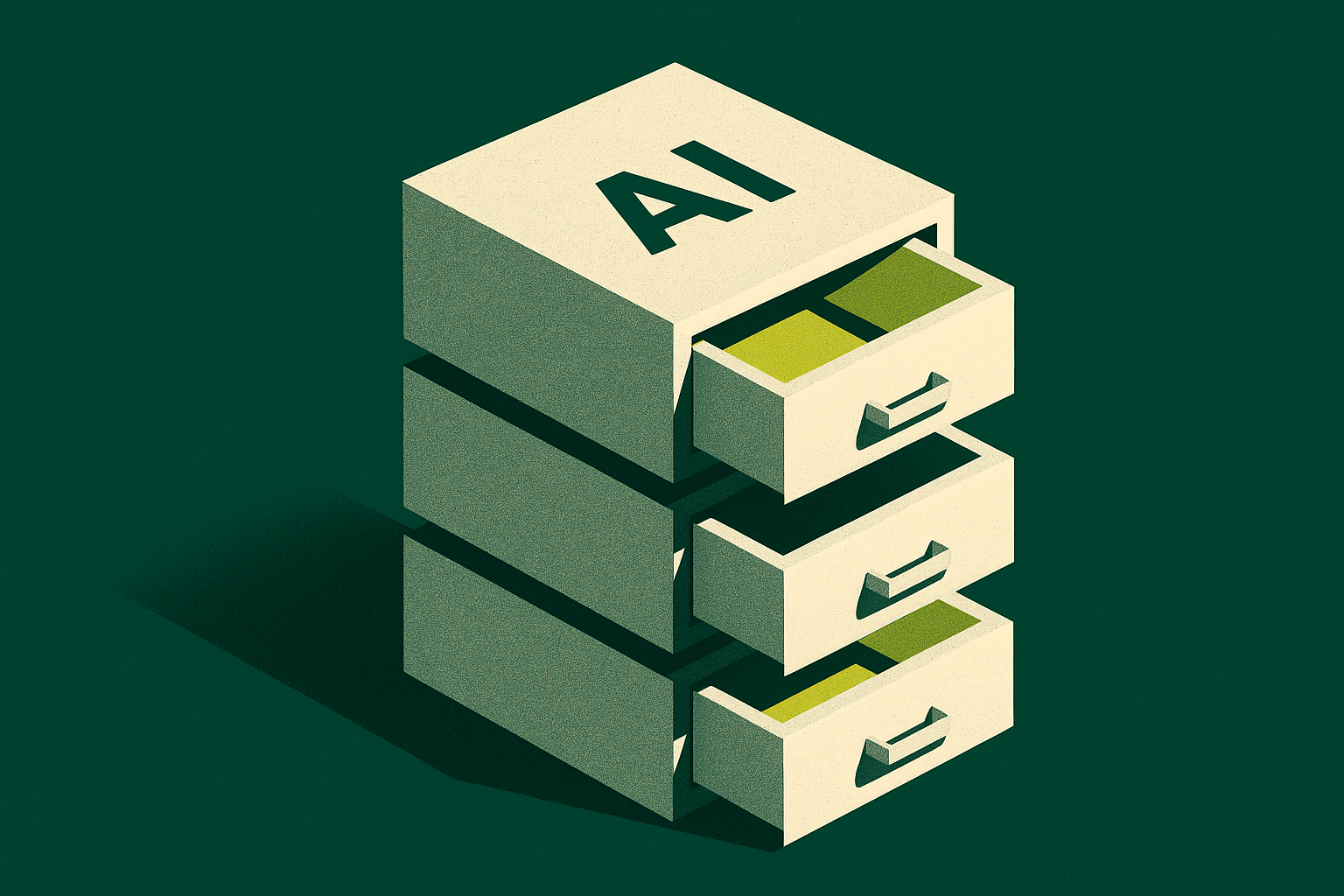
Anthropic has launched Claude Skills, a new feature simplifying enterprise AI customization without complex coding. This declarative approach allows teams to shape AI behavior with simple, portable instructions, letting non-technical staff extend a model's capabilities in the time it takes to write a README. This guide covers what makes Skills unique, how to build one quickly, and best practices for enterprise governance.
Why Skills Are a Superior Alternative to Heavy Integrations
Claude Skills are reusable, plain-language instructions that define an AI's task, tone, and data sources. Unlike code-heavy integrations requiring weeks of development, a Skill can be created and deployed in under an hour, offering a faster, more accessible, and portable method for any team to customize AI.
Anthropic designed Skills as reusable instruction sets that define how Claude should work, what data to reference, and which tone to adopt. Creating a skill takes 30-60 minutes in the creator tool, a fraction of the time compared to multi-week sprints for traditional connectors. This efficiency is critical as the average contract value for enterprise AI software grows and more firms - now 57 percent - run AI agents in production.
Skills load on-demand, ensuring snappy response times even with dozens active in a workspace. Portability is another key advantage. According to an Apiyi beginner's guide, the open standard allows a single file to run across Claude, ChatGPT, or Cursor. This helps teams avoid vendor lock-in while still benefiting from Anthropic's Constitutional AI safety features.
How to Create a Claude Skill in 5 Steps
- Define the Task: Write a brief description of the goal, required output format, and any operational guardrails.
- Provide Examples: Paste samples of both high-quality and poor outputs to help Claude infer quality standards.
- Add References: Attach relevant files like glossaries, brand guidelines, or formulas. Skills support small file attachments.
- Validate and Refine: Test the Skill with live prompts in the Cowork workspace, adjusting instructions until the answers are satisfactory.
- Commit and Tag: Save the final YAML file to a version control system (like Git) and tag it for the appropriate team.
A marketing team could deploy a "Swiss Design Copy" skill to enforce short sentences, while an engineering team uses a "3D Printing Constraints" skill to generate ready-to-slice models. Felix Rieseberg, Anthropic's Head of Engineering, noted in an interview that he prefers Skills over model context tools because they provide equivalent control with less boilerplate.
Enterprise Governance for Claude Skills
Large deployments manage Skills by attaching policy to each one. Recommended practices include:
- Centralize Skills: Store all skills in a central Git repository with semantic versioning.
- Implement Unit Tests: Before merging changes, automatically test each skill with prompts covering edge cases.
- Use Metadata: Include a metadata block in each file specifying the owner, last review date, and data access scopes.
- Control Permissions: Limit write access to a small group of maintainers and use pull requests for all changes.
- Conduct Audits: Review performance quarterly and retire outdated skills to maintain an efficient workspace.
Enterprises adopting this framework report significant gains: 70 percent faster data analysis, an 80 percent reduction in repetitive formatting tasks, and slide creation time cut from two hours to just 15 minutes. Standardizing workflows with Skills has also boosted team collaboration efficiency by approximately 40 percent.
Governance is expected to evolve. Anthropic's roadmap includes persistent project memory, multi-agent orchestration, and an Agent SDK for autonomous workflows, which will be available through subscription tiers. Early adopters should start preparing now by classifying skills based on risk level and aligning them with compliance controls.
By leveraging declarative files, version control, and light testing, organizations can replace brittle integration protocols with a responsive Skill layer that keeps Claude safe, effective, and focused on the job at hand.
What exactly is a Claude Skill, and how does it differ from a traditional connector?
A Skill is a plain-language YAML file that tells Claude how to act, what tone to adopt, and which tools or data sources to consult. Because the file lives in your Cowork folder, it auto-loads every time the agent starts - no compilation, container, or SDK required. Enterprises that once budgeted weeks for API mapping now report standing up a Skill in 30-60 minutes, validating Anthropic's pitch that Skills are a "lighter-weight alternative" to legacy harnesses.
How many Skills can be chained together, and will performance suffer?
You can stack as many Skills as you need. The runtime loads only the parts that match the user's request, so latency stays flat. Early adopters routinely blend skills like Swiss-design standards with 3D-printing constraints in one prompt, letting Claude co-ordinate two Skills to output a ready-to-print chair model. For governance, Anthropic recommends a central Skills hub where teams version, test, and tag each module, preventing accidental collisions.
Do Skills lock me into Claude, or can I reuse them elsewhere?
Skills follow an open YAML schema that ChatGPT, Cursor, and other compatible platforms can parse, so the same file can travel with you. This portability directly addresses vendor-lock anxiety associated with traditional connectors, as one declarative spec can run on multiple models.
What governance guardrails exist for enterprise rollouts?
Enterprise admins get a dedicated console to publish, revoke, and audit Skills across departments. Best practice is to treat each Skill like internal software: store it in Git, require pull-request reviews, and run an automated regression test suite before promotion. With 57 percent of companies already running AI agents in production, formal governance is quickly shifting from a nice-to-have to a compliance necessity.
What is coming next on the Skills roadmap?
Anthropic's roadmap for 2026 includes Persistent Agentic Memory, allowing a Skill to remember project decisions across chats, plus multi-agent orchestration where a lead agent delegates sub-tasks to specialist Skills. Expect shared team memory and tiered access controls to land first in Enterprise tiers, turning individual Skills into building blocks for what the company calls "Autonomous Departments."