
Disney, Marvel and Major Studios Sue Midjourney Over IP Reproduction
Serge Bulaev
Disney, Marvel, and Universal sue Midjourney over AI-generated images, sparking a landmark legal battle that could reshape copyright in the digital age.
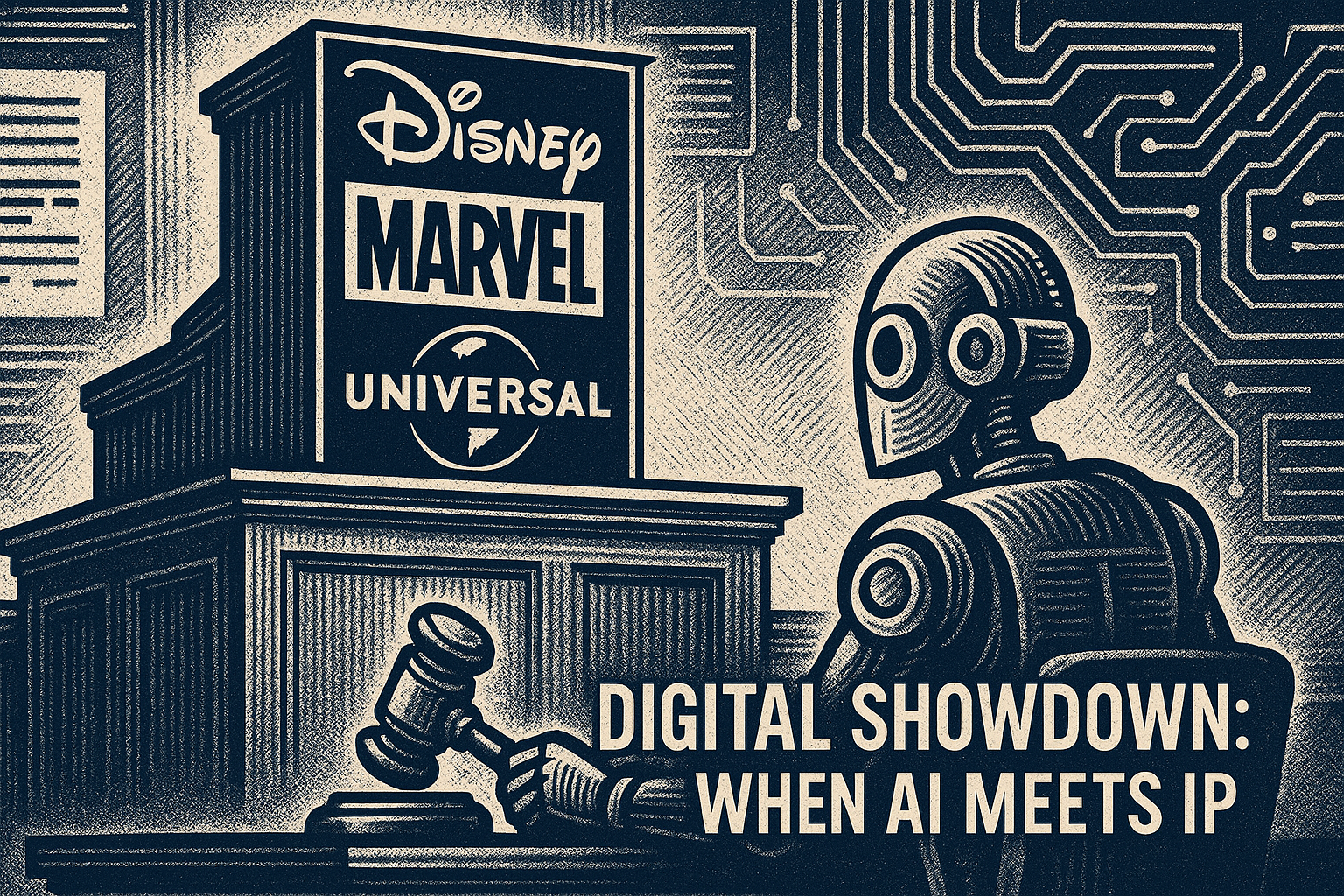
When the Mouse Roars: Disney, Marvel, and Universal Take On Midjourney's AI Art
Here's the text with the most important phrase in bold:
In a massive legal showdown, Disney, Marvel, and Universal are suing Midjourney for copyright infringement, alleging the AI image generator trained its models on protected images without permission. The lawsuit challenges not just the final AI-generated artworks but also the training data used to create them, potentially reshaping the landscape of digital creativity and intellectual property rights. With over 20 million users, Midjourney has democratized art creation, but its success has drawn the legal ire of entertainment giants protecting their iconic characters and brands. The case could set a precedent that forces AI companies to fundamentally change how they develop and train their image generation models. The outcome will likely have far-reaching implications for the future of AI, art, and copyright law.
What Legal Battle Are Disney, Marvel, and Universal Waging Against Midjourney?
Disney, Marvel, and Universal are suing Midjourney for copyright infringement, alleging the AI image generator trained its models on protected images without permission, potentially violating intellectual property rights and creating unauthorized representations of iconic characters.
Giants in the Courtroom: Familiar Faces, Unfamiliar Battlefields
Sometimes, you hear a story and it rattles around your head, echoing off old memories. The latest? Disney, Marvel, and Universal - yes, that unholy trinity of copyright vanguards - are suing Midjourney, the AI image generator that's become as ubiquitous as Photoshop among meme makers and concept artists. The news instantly transported me back to my own agency days, when so much as a stray Iron Man silhouette in an Instagram campaign would send our legal team into a cold sweat. But that was just background noise compared to this high-stakes legal aria.
I remember a moment - oddly vivid - when someone muttered "Disney" at a Monday morning meeting and the whole room tensed, as if Mickey himself might materialize and demand an explanation. Now, whole companies are being yanked into sprawling court dramas. The scale has ballooned from a skirmish over a painted panel to a full-on siege involving iconic brands and billions of dollars in intellectual property. It's like watching chess played with skyscrapers.
This isn't just about an errant image or a rebellious fan. It's about the engine beneath the surface. Disney and Universal allege that Midjourney trained its AI on an avalanche of protected images, effortlessly conjuring Elsa or the Minions with a simple prompt. The complaint even calls Midjourney a "virtual vending machine" - a sensory image that made me laugh and shudder at once. Can you imagine the legal headaches? I still get a twinge of anxiety just thinking about it.
An Industry Shaken: From Colorist Stories to Courtroom Dramas
Let me share a little anecdote that always flickers to life when IP wars dominate the headlines. Years ago, at a bustling Comic-Con (pre-pandemic, when the air actually smelled of popcorn and permanent marker), I chatted with a Marvel colorist named Jenna. She spent days filling in Spider-Man's costume, pixel by pixel, and quipped, with all the dry humor only true deadline survivors wield, that her brushstrokes had more legal muscle behind them than her own signature. That unyielding, almost mythic, protection is now squared at artificial intelligence.
This lawsuit is a direct attack on both inputs and outputs. Disney and Universal's legal cavalry isn't just charging at Midjourney's finished artworks; they're also targeting the very data used to train the AI. According to Reuters and The Hollywood Reporter, the studios claim that every time Midjourney spits out a familiar princess or an impish Minion, it's not just an accident - it's a fresh breach of copyright law. Isn't it wild how a few terabytes of data can stir such a tempest?
Some companies, like Warner Music Group, have opted for licensing arrangements, attempting to ride the technological tide rather than dam it. But when you wield intellectual property as valuable as Disney's - and let's not forget their infamous crusade to extend copyright protections, like the "Mickey Mouse Protection Act" - compromise isn't on the menu. They want the chef's hat, the recipe, and the kitchen.
Drawing New Lines: Licensing, Trademarks, and the Murky Future
A curious twist: while Steamboat Willie finally tiptoed into the public domain in 2024, Disney's trademarks still cast a shadow over would-be remixers. You might think the field is finally open, but if you use that retro Mickey in a way that hints at Disney's blessing - or so much as nudges their brand image - you're still on shaky ground. The legal landscape is more labyrinthine than a Minotaur's lair, and anyone hoping for a "public playground" will find the gate locked with 17 padlocks and a very grumpy lawyer.
Midjourney, if nothing else, has democratized creativity. With over 20 million users, it's turned aspiring artists into digital sorcerers, conjuring up everything from cyborg princesses to surly ogres. But here's the catch: the very success that made Midjourney a darling of the creative world has drawn the legal lightning it now faces. Are the studios genuinely protecting art, or are they just terrified of losing their narrative monopoly? That question keeps me up at night, or at least through one more cup of lukewarm coffee.
This isn't just about compensating creators or even protecting profits. There's a genuine whiff of fear (and, I'll admit, a weird thrill) in the air - a sense that the boundaries of creativity are being rewritten, pixel by pixel, lawsuit by lawsuit.
The Stakes: Precedent, Progress, and a Dash of Uncertainty
So, what's really at stake here? If the courts side with Disney and Universal, then AI companies like Midjourney might have to scrub their models, buy licenses for every scrap of training data, or invent entirely new ways to "teach" neural networks about art. That sounds exhausting - and honestly, part of me wonders if we'll ever see as wild an age of remix culture again. If, on the flip side, Midjourney prevails, expect the digital art world to explode in ways we can barely imagine, with copyright lines smudged into oblivion.
Some days, I worry that we're building a world where creativity is a minefield, mapped out in lawyerly footnotes. Other days, I cheer for the chaos, the small players, the curveballs thrown at the Goliaths of industry. I made mistakes as a junior designer - once letting a Batman silhouette slip past, and yes, Legal noticed - but I learned: the line between homage and infringement is razor-thin and always shifting.
Wild times