
Arcads AI, Sora, Claude integrate to generate viral UGC ads in minutes
Serge Bulaev
Brands can now make super-realistic viral ads in just minutes using AI tools like Arcads, Sora, and Claude. This new workflow skips cameras and studios, letting marketers create cool, believable videos that look like they were shot on a phone. With this method, making an ad takes only about 18 minutes, saving lots of money and letting brands test more creative ideas. AI ad makers are becoming popular because they can create lifelike videos that get more clicks and cost less. The future of ads is fast, cheap, and full of endless creative options thanks to AI.
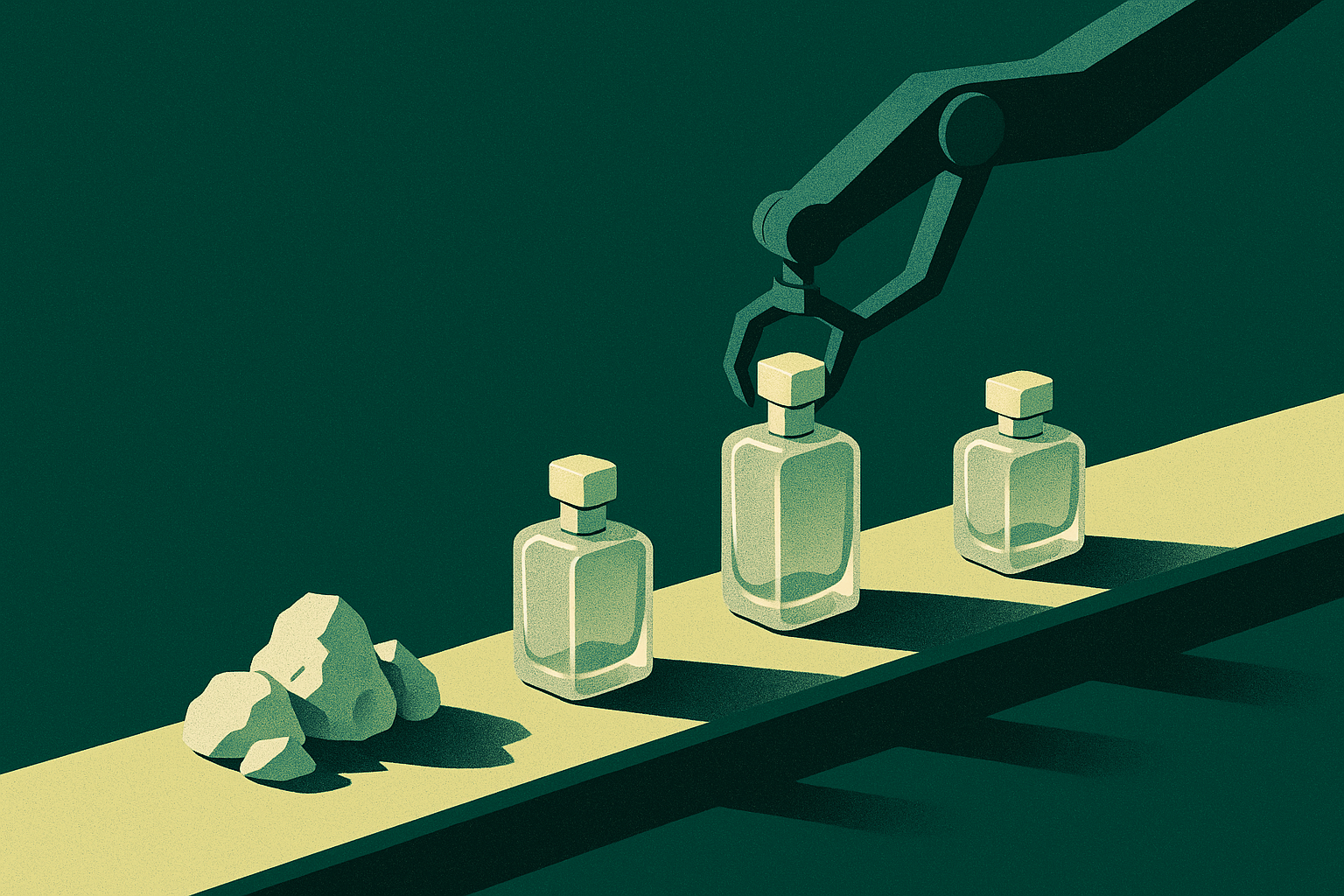
The integration of Arcads AI, Sora, and Claude empowers brands to generate viral UGC ads with unprecedented speed and realism. This breakthrough workflow bypasses traditional production, enabling marketers to create authentic, iPhone-shot style videos in minutes. Fraser Cottrell's recent demonstration highlights a future where performance marketers can produce and test creative ideas without physical cameras or studios.
Inside Cottrell's 2026 Preview Workflow
This AI-driven method involves using Claude to generate a detailed video prompt from a single reference image. Arcads then coordinates with specialized tools like Nano Banana for high-resolution stills and Sora for short video clips. The final assets are then edited into a complete, platform-ready advertisement.
Cottrell's process begins by providing an AI-generated image to Claude to create a concise, platform-optimized prompt. The model leverages its large context window to suggest shot framing, props, and lighting. Arcads orchestrates the creative process, sending the prompt to Nano Banana for stills and Sora for brief motion clips. After trimming any AI-generated imperfections, he assembles the final ad in Premiere Pro, creating a compelling hook in a recorded demo that takes roughly 18 minutes from start to finish. Cottrell notes this model is already empowering DTC brands like Aloha and Leaf to test dozens of hooks weekly without expensive studio fees.
Competitive Snapshot for 2025 Marketers
The AI ad creation landscape is rapidly expanding, with several platforms offering direct integration with Meta's ad placements:
- Creatify turns a single product URL into 5-10 avatar-led spots, ready for Facebook upload.
- Pencil scores creative variations and claims 72 percent higher ROAS for its users.
- HeyGen provides talking avatars with lifelike eye contact for personalized retargeting.
- Madgicx acts as a 24-hour media buyer, re-allocating spend based on real-time signals.
A 2026 Showcase report notes that lifelike avatars lift click-through rates by 47 percent, giving early adopters an edge.
Why the Economics Look Attractive
The financial benefits of AI-driven ad production are significant. The IAB projects that 64 percent of advertisers will prioritize cost efficiency as their main reason for adopting AI in 2026. Furthermore, analysts at Madison and Wall predict a potential shift of 18 billion dollars in U.S. creative spending toward machine-native production by 2030.
Early case studies already demonstrate a 35 percent faster post-production and six-figure labor savings by replacing live shoots. For DTC founders managing tight margins, this translates to higher-volume ad testing, lower customer acquisition costs, and the ability to rapidly refresh creative to meet the demands of platforms like Meta.
What is the exact 2026 workflow Fraser Cottrell uses to create AI UGC ads?
Fraser Cottrell's 2026 process, shown in an 18-minute YouTube walkthrough, is a four-step loop that runs in under 15 minutes:
- Prompt seeding with Claude - upload a still image and ask Claude to write a "Cling 3.0" prompt in the voice of an iPhone 17 Pro owner.
- Asset factory in Arcads - fire the prompt to Nano Banana for crisp B-roll stills, then to Sora 2 for 6-second motion clips (handheld spray, perfume mist, etc.).
- Hallucination filter - scrub clips for AI artefacts, keep the 2-3 seconds that look human.
- Premiere assembly - drop the hook line "Your skin chemistry literally transforms fragrance the second it touches you", add captions, export 9:16 Meta-ready mp4.
The entire shoot is actor-less, set-less, and crew-less, yet the output tests at creator-level watch-time on Reels.
How much time and money does this save a DTC brand?
2026 benchmarks from IAB and Madison & Wall put the savings in black and white:
- 35% faster post-production - no colour, no sound sync, no re-shoots.
- $300k saved on a typical $2M beverage campaign by swapping live sets for synthetic actors.
- 64% of advertisers now rank cost-efficiency as the #1 reason to adopt AI, up from fifth place in 2024.
For a lean DTC label, one freelancer with Arcads can now replace a 10-person production team and still generate 1,000 unique hooks per month for A/B tests.
Which other platforms compete with Arcads for ultra-realistic UGC?
If Arcads is busy, marketers turn to:
- Creatify - paste any product URL, receive 5-10 avatar videos with lip-sync in under 3 minutes.
- Pencil - enterprise-grade editor that scores creative before it goes live; DTC brands report 72% higher Facebook ROAS.
- HeyGen - interactive avatars that can read a viewer's first name from the URL string, pushing personalisation to creepily good levels.
All three export directly to Meta Ads Manager and support 2026's mandatory AI-content watermarking.
What measurable performance lift are brands seeing on Meta?
Early 2026 case data show:
- 47% higher click-through rate when AI UGC is layered with Meta's Advantage+ placement.
- 20-30% sales lift versus studio-shot ads in the same SKU cohort.
- CPA drops 18% on average when 12 or more AI variations are rotated weekly instead of monthly.
The key is volume - platforms reward fresh creative every 48-72h, exactly what generative pipelines deliver.
Are there any hidden limits or compliance issues in 2025?
Yes. Even though the tech is moving fast, three guardrails already exist:
- Synthetic disclosure - Meta requires an "AI-generated" tag on every ad that contains a deepfake face or voice; Arcads auto-adds this in 2026.
- Talent rights - if you clone a real influencer's likeness, you still need a signed voice & face licence; AI does not override personality rights.
- Carbon footprint - new 2026 guidelines ask agencies to report GPU hours per campaign; one hour of Sora 2 renders equals roughly 0.8kg CO₂, the same as a 5 km car ride.
Staying compliant keeps accounts unflagged and preserves long-term spend limits.