Category

AI Literacy & Trust

Educational resources explaining AI fundamentals, transparency, safety, and how to build user confidence.

37 articles • Page 3 of 3

Epistemic Fluency: Bridging the New Digital Divide with Enterprise AI Literacy

Epistemic Fluency: Bridging the New Digital Divide with Enterprise AI Literacy

AI literacy means understanding and questioning how AI works, not just using it. This skill is very important for families so they can use AI safely and make smarter choices. The main challenge today is not just having technology, but knowing what to trust and how to stay in control. Families can build AI skills together by trying projects, asking questions, and sharing their experiences across generations. The key is to keep people in charge, using AI as a helpful tool while staying thoughtful

Global AI Trust: Navigating the Inverse Curve of Adoption and Skepticism

Global AI Trust: Navigating the Inverse Curve of Adoption and Skepticism

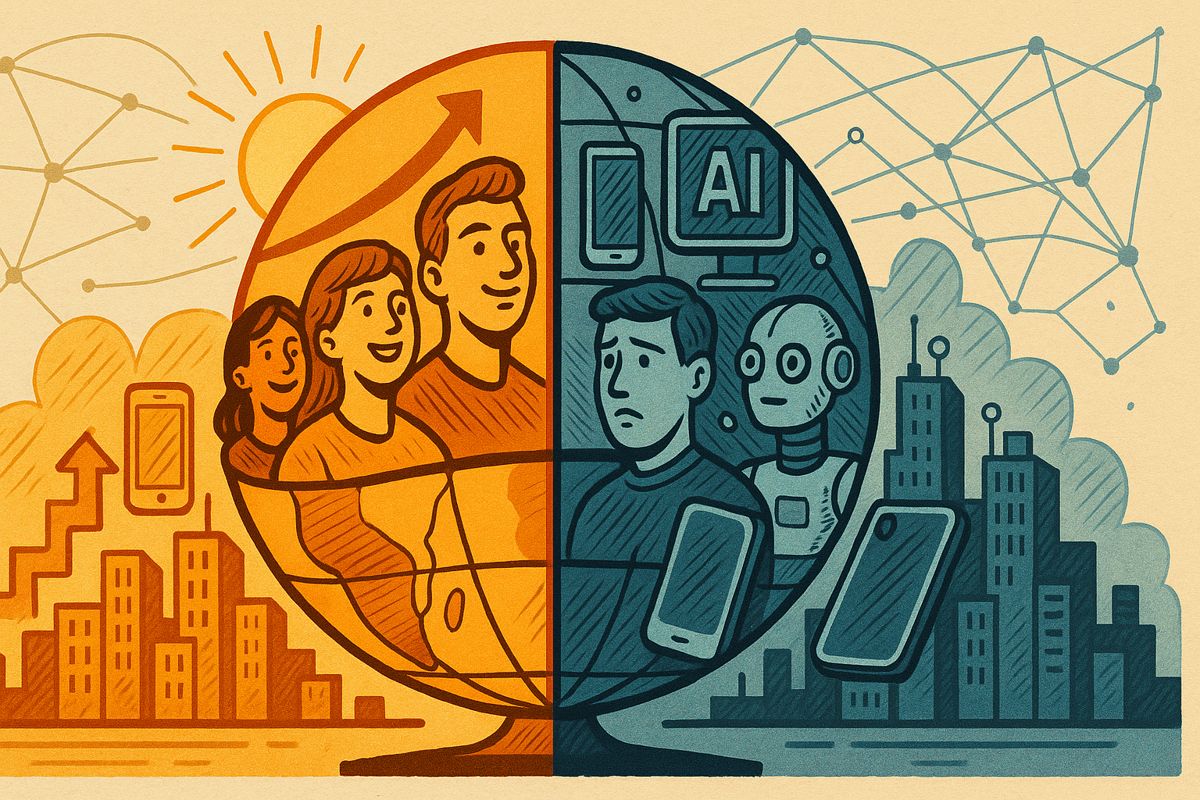
Wealthy countries have more access to AI but are more skeptical about its use due to past problems and privacy worries, while less developed regions are more hopeful and expect to use more AI in the future. Surveys show that trust in AI is lowest where it's most common, and highest where it's new and less used. Many poorer countries are left out of big AI decisionmaking meetings, risking being left behind. Policymakers are trying to boost trust and understanding with new education and infrastruc

Bridging the AI Adoption Gap: A Playbook for Enterprise-Wide Fluency

Bridging the AI Adoption Gap: A Playbook for Enterprise-Wide Fluency

Many employees already use AI at work, but few think their companies are true AI leaders. To fix this, companies should find out how staff really use AI, teach everyone basic and advanced AI skills, and run regular team challenges to solve real problems with AI. Sharing progress and rewarding the first people to learn helps everyone get involved faster. When just a small group gets good at AI, it quickly inspires the rest of the company to follow.

Building Trust in AI Legal Tech: Robin AI's Hybrid Approach and Data-Driven Accuracy

Building Trust in AI Legal Tech: Robin AI's Hybrid Approach and Data-Driven Accuracy

Robin AI builds trust in legal technology by blending smart AI trained on millions of legal documents with careful human review for risky decisions. Their system reviews contracts super fast and is 98% accurate, but always asks a human to check anything important or strange. Big companies now use Robin AI to save money and cut review time from 45 to just 7 minutes per contract. This mix of AI speed and human care helps make sure contracts are safe and reliable. Robin AI is growing quickly, showi

The Asymmetric Self: Navigating AI Identity and Human Cognition in 2025

The Asymmetric Self: Navigating AI Identity and Human Cognition in 2025

Humans have a steady sense of who they are, built from memories and feelings, but AI can have its identity changed quickly during a conversation. This big difference matters in 2025 because it can make AI unpredictable and even risky, as people can trick it into acting differently or breaking rules. People are also starting to talk and think more like machines after using AI a lot. This changing mix between people and AI means we need new ways to keep AI trustworthy and to help people keep their

The Communication Imperative: Driving AI Adoption in Supply Chain

The Communication Imperative: Driving AI Adoption in Supply Chain

Strong, clear communication helps people in supply chain jobs understand and trust new AI tools, making adoption much smoother and faster. Sharing easytofollow stories, updates, and progress in simple ways keeps everyone - from warehouse workers to managers - on the same page. Companies that talk openly about changes and show real examples of AI success see much less confusion and fear. When everyone knows the plan and hears about small wins often, teams work better together, and AI projects finish