Category

AI Deep Dives & Tutorials

Detailed breakdowns, step-by-step guides, and video demos that show how to create content with AI and where to apply new tools.

159 articles • Page 11 of 11

AI-Powered Learning: The Dwarkesh Patel Method for Accelerated Knowledge Acquisition

AI-Powered Learning: The Dwarkesh Patel Method for Accelerated Knowledge Acquisition

Dwarkesh Patel created an AIpowered learning system that helps people learn much faster and remember more. His method uses smart computers to read materials, make flashcards, find knowledge gaps, and check answers until they're right. This approach helps users remember 92% of what they learn after a month, cuts study time by more than half, and brings up deep, interesting questions. Educators found students using his method scored much higher on tests, and the system even finds hidden topi

Descriptive Naming: Elevating AI Code Completion Accuracy and Developer Productivity

Descriptive Naming: Elevating AI Code Completion Accuracy and Developer Productivity

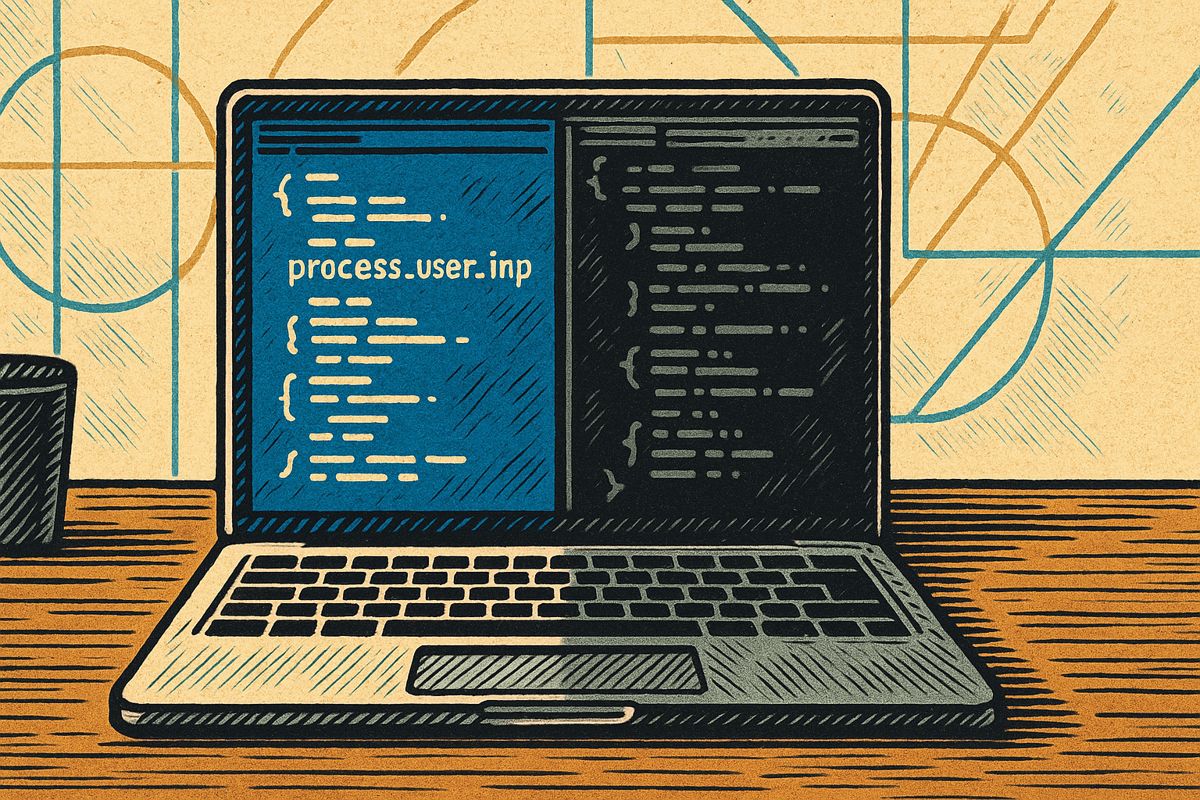
Descriptive variable names help AI codecompletion tools work much better, increasing accuracy from 16.6% up to 34.2%. Clear names like "processuserinput" give the AI clues, making it easier to understand and suggest the right code. This also helps new developers learn faster and makes big code changes safer. Teams can save time and boost productivity by using consistent, meaningful names. Simple changes in naming rules can make both people and AI work smarter together.

AI in Asset Management: The 2025 Transformation of Profit and Productivity

AI in Asset Management: The 2025 Transformation of Profit and Productivity

In 2025, AI is drastically changing asset management by making firms more profitable and efficient. AI helps companies manage more money with lower costs, speeds up research, and allows portfolios to adjust instantly to market changes. Analysts can work faster, and compliance is now smarter, catching most problems before they happen. Firms can grow bigger without hiring many more people, thanks to AI acting like a hardworking teammate.

Ulta Beauty's AI Blueprint: Building the Foundation for Enterprise Retail

Ulta Beauty's AI Blueprint: Building the Foundation for Enterprise Retail

Ulta Beauty is using AI to make shopping smarter and easier for everyone. They've upgraded their computer systems, gathered huge amounts of shopping data, and trained over 40,000 workers on how to use AI. Cool tools like the Virtual Shade Finder and Replenishment Bot are already helping people pick the right products and reorder favorites automatically. Because of all this, more customers are coming back and buying again, and Ulta is staying ahead of its competitors.

Roche's Data Revolution: Unifying Global Systems for AI-Powered Pharmaceutical Advantage

Roche's Data Revolution: Unifying Global Systems for AI-Powered Pharmaceutical Advantage

Roche has combined its old data systems into one global, cloudbased platform, connecting over 1,000 users in more than 80 countries. This big change lets them use AI to make faster decisions, like recommending what sales teams should do or spotting trends with predictive analytics. Their new system updates data thousands of times each day and cuts costs by 70%. Roche's approach is helping them lead the pharmaceutical industry by turning complex data into real advantages for both business and hea

Goose in Production: Scaling AI Adoption from Prototype to Enterprise Standard at Block

Goose in Production: Scaling AI Adoption from Prototype to Enterprise Standard at Block

Block's Goose is an opensource AI assistant that quickly became popular with 60% of employees using it each week. Goose lets workers automate boring tasks by turning simple scripts into powerful tools that connect with apps like Slack and Google Drive. Anyone can add new features in minutes, and it runs safely on your own computer. This bottomup approach made work much faster and easier, with big time savings and happy users across the company.

Context Engineering for Production-Grade LLMs

Context Engineering for Production-Grade LLMs

Advanced context engineering helps large language models (LLMs) work better and more reliably in realworld jobs. By using smart summaries and memory blocks, these models remember important things and forget what's not needed, which makes their answers more accurate and reduces mistakes. When faced with lots of information, the models break it into chunks, summarize each part, and then summarize again so they don't get overwhelmed. If a tool fails or something goes wrong, the model can fix itself

AI-Ready Networks: Bridging the Ambition-Readiness Gap

AI-Ready Networks: Bridging the Ambition-Readiness Gap

AIready networks are built to handle the big demands of artificial intelligence, with superfast speeds, low delays, and strong security. Many companies want to use AI, but most of their networks aren't ready yet, creating a big gap between what they want and what they can do. Upgrading means adding powerful hardware, smarter monitoring, and better defenses against cyber threats. These changes can be expensive and require new skills, but the payoff is fewer network problems and smoother AI perfor

7 Enterprise Prompt Engineering Strategies for Maximizing ChatGPT Value and Efficiency

7 Enterprise Prompt Engineering Strategies for Maximizing ChatGPT Value and Efficiency

To get the most out of ChatGPT at work, use seven simple prompt strategies: tell ChatGPT what role to play, start with basic instructions and add examples if needed, give clear formats for answers, add your own data, set limits to avoid mistakes, adjust the tone, and keep improving by checking and tweaking. These tricks help teams finish projects faster and make communication clearer. Adding details like a surprising fact can make responses even better. Experts say these methods save time and cu