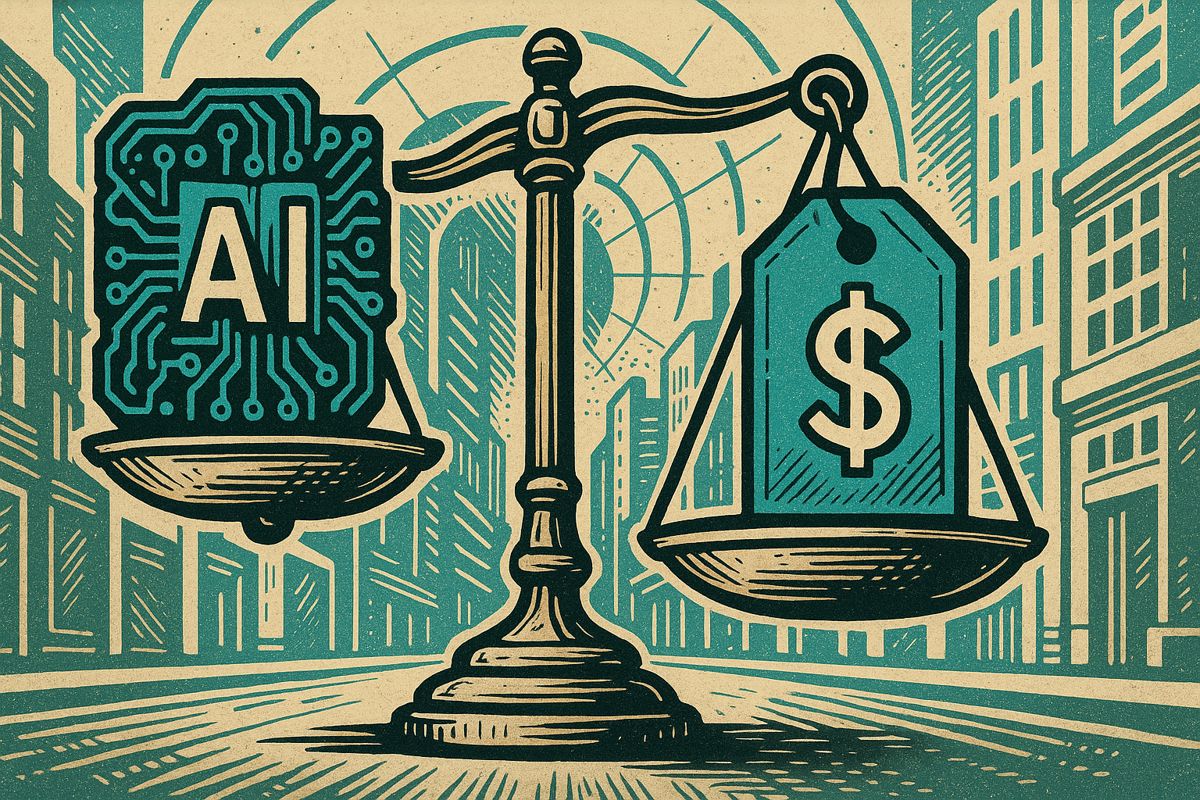


In 2025, a global push to regulate AI bots that impersonate humans is solidifying into law. Regulators are drafting AI disclosure rules for bots to manage synthetic media and scripted interactions, moving from theory to legislative action. Landmark policies like the EU AI Act mandate clear labeling for AI-generated content, pushing for interoperable provenance data. Effective governance, however, demands a unified approach combining policy, technical standards, and shared incentives to distinguish helpful automation from harmful deception.
A patchwork of disclosure laws
A growing number of laws require companies to disclose when a customer is interacting with an AI chatbot, particularly in commercial or political contexts. These rules, emerging in jurisdictions like California and the EU, aim to prevent consumer confusion and hold companies accountable for their automated agents.
California’s upcoming chatbot law, explored in the SB 243 analysis, imposes fines if a bot conceals its identity during consumer sales. Similar measures are being adopted in Utah and New York, while EU nations are developing enforcement guidelines for political deepfakes. While specifics vary, disclosure is typically required when public interaction carries a risk of confusion in commercial or electoral settings.
Key disclosure triggers tracked by policy monitors:
- Consumer sales or customer service chats
- Election ads or campaign outreach
- Health or legal advice provisioning
- Simulated companionship applications
- Content that misattributes quotes to real persons
Governance Model for Regulating AI Bot Impersonation
Effective regulation cannot rely on rules alone; it requires collaboration across the entire digital ecosystem. A distributed accountability model is emerging, where AI providers, platforms, and publishers all share responsibility for ensuring provenance signals are attached to every piece of AI-generated content.
Stakeholder map and core duties:
- Model providers: issue signed tokens that bind model ID, version, and output hash.
- Platforms: enforce visibility of bot labels and strip invalid signatures.
- Publishers: attach provenance manifests to media routed through CMS and CDN layers.
- Regulators: define minimum disclosure surfaces and audit key life-cycle records.
This alignment lets companies innovate while giving watchdogs telemetry to spot serial impersonators and repeat violators.
Technical provenance is policy’s fast lane
Cryptography is the core technology connecting identity, intent, and content integrity. Technical standards groups are leading the way with specifications like C2PA (Content Credentials), which embeds a tamper-evident manifest into media. As noted in a DoD white paper on multimedia integrity, these C2PA manifests can carry signed, verifiable claims like “generated by GPT-4.5” or “face swap applied.”
For text-based bots, a similar approach uses JSON Web Tokens (JWTs) to hash the reply and embed model fingerprints. As a message moves between services, each step adds a signature, creating a verifiable audit trail. This method fulfills transparency requirements with visible labels and secure receipts, protecting proprietary model details and user data.
Industry groups are finalizing standards that harmonize C2PA, IPTC, and IETF protocols. Pilot programs confirm the minimal impact of these changes: a signed manifest adds less than 2KB to an image and under 0.01 seconds to rendering time. With more jurisdictions mandating bot disclosure, these provenance tools are expected to become standard practice within two product release cycles.
What exactly must bots disclose under the 2025 draft rules?
The emerging framework centers on agent disclosure rules that require every automated account or chat interface to reveal its non-human nature at the first interaction and on every subsequent request.
Provenance metadata – a tamper-evident bundle showing who built the model, who deployed the agent, and what data was used – must ride alongside each message or file.
Finally, signed tokens cryptographically bind that metadata to the content so publishers and platforms can instantly verify whether a comment, image or video came from a legitimate bot or a spoofed account.
Who is responsible for compliance – the AI lab, the social platform, or the publisher?
Responsibility is deliberately shared across the stack.
Model providers must embed the disclosure hooks and issue the signed tokens.
Platforms have to surface the disclosures and block or label any traffic that arrives without valid provenance.
Publishers that syndicate AI-generated material are expected to check the tokens before reposting and to keep audit logs for regulators.
If any link in the chain fails, all parties can be fined, a design meant to speed up industry-wide adoption rather than allow finger-pointing.
How do the rules balance anti-abuse goals with privacy and innovation?
Draft texts try to minimize extra data collection: tokens carry only origin and integrity information, not user prompts or personal data.
Privacy watchdogs are pushing for zero-knowledge verification so that provenance can be confirmed without exposing the underlying model weights or training corpora.
Meanwhile, regulators promise safe-harbor clauses for start-ups that implement the baseline standards, aiming to keep innovation alive while large incumbents shoulder the heaviest compliance load.
Won’t bad actors simply strip the metadata or forge the signatures?
Stripping metadata is detectable: if provenance is missing, major platforms already plan to throttle or quarantine the content.
Forging signatures is harder because the draft recommends public-key pinning tied to company domain names; a spoofed key would fail cross-site checks.
Nonetheless, regulators admit the system is “80 % deterrence, 20 % arms race” and pledge to update cryptographic requirements yearly rather than wait for multi-year treaty cycles.
Are industry working groups really faster than formal legislation here?
Yes – and the clock is ticking.
The Coalition for Content Provenance and Authenticity (C2PA) released its 2.1 specification in early 2025, adding agent-disclosure fields that major publishers and camera makers rolled out within months.
By contrast, the EU AI Act’s labeling mandate will not be enforced until at least 2027, and U.S. federal legislation is still stuck in committee.
Early adopters therefore see voluntary standards as insurance: if they meet the industry spec today, they are already 90 % compliant with the likely legal text tomorrow.